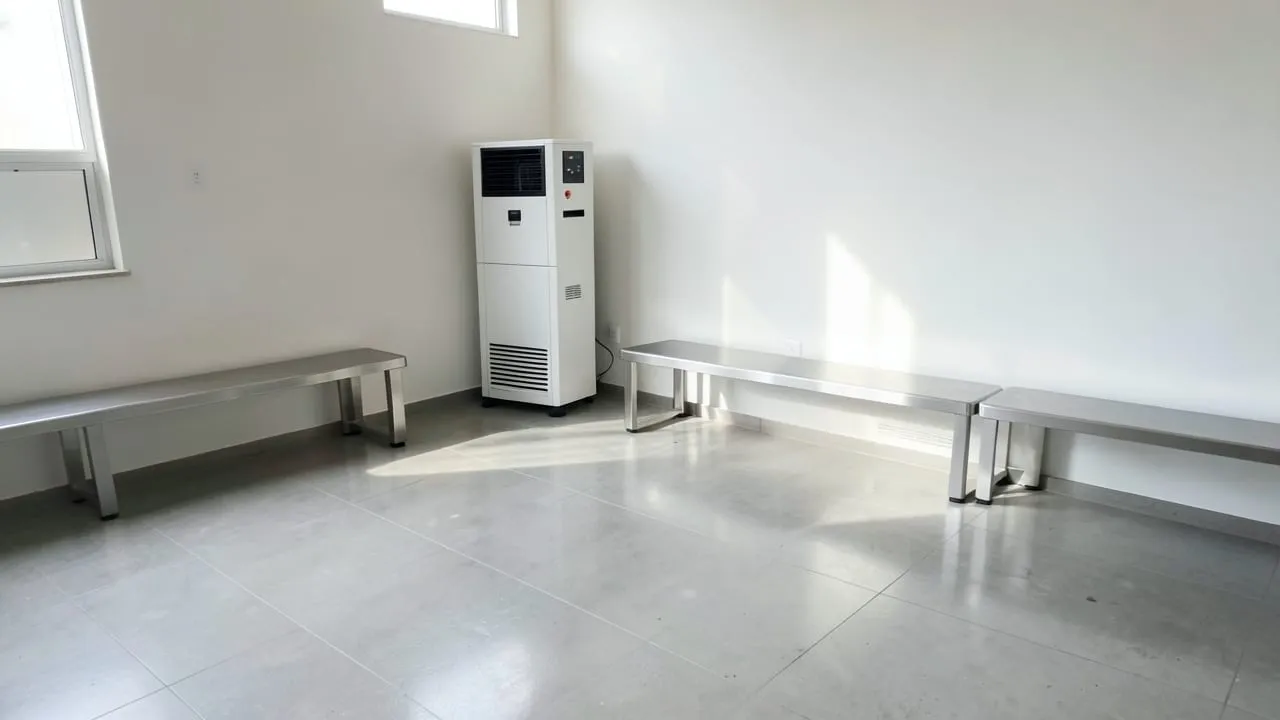
Gym Mold Remediation
Professional removal and treatment of mold in gyms to restore safe, clean environments.
Gym mold remediation in Newport Beach addresses mold growth in fitness facilities, targeting moisture-prone areas like walls, ceilings, and equipment spaces. Specialized containment and removal methods prevent health risks and structural damage, ensuring thorough cleanup without spreading spores to unaffected areas.
When to address gym mold
Mold in a home gym can start as a small patch but quickly escalate if moisture sources persist. Visible growth covering more than a few square feet, recurring mold after cleaning, or a musty smell without visible mold are clear signs professional remediation is needed.
We also handle Metal Ductwork Mold Remediation and Glass Window Mold Removal for Newport Beach properties.
Hidden growth—behind walls, under flooring, or in HVAC ducts—often spreads undetected until it becomes widespread.
California law treats mold covering 25 contiguous square feet as requiring licensed remediation, but even smaller patches may signal deeper issues. A persistent musty odor, especially when the HVAC runs, often indicates mold hidden in ductwork or structural materials. Addressing these signs early prevents larger, costlier problems.
Signs Professional Remediation Is Needed
- Mold covers more than a small, isolated patch (e.g., >10 sq. ft. in a confined area).
- Growth returns within weeks after cleaning, suggesting an unresolved moisture source.
- A musty smell exists with no visible mold, especially when HVAC or fans run.
- Visible mold appears in multiple areas (walls, ceilings, equipment, or ductwork).
- Mold is found in porous materials (drywall, carpet padding, insulation) rather than just surfaces.
What affects cost and timeline
Gym mold remediation costs vary based on the size of the affected area, the extent of containment needed, and whether hidden mold is discovered during removal.
Unlike residential work, gym spaces often require stricter containment and documentation, which can extend timelines. Post-remediation clearance testing is critical but is sometimes priced separately.
The process involves sealing the area, removing contaminated materials, drying structural components, and testing for residual spores. Complex jobs—like those with extensive ductwork or shared HVAC systems—demand additional labor and equipment, increasing both cost and time. Always confirm whether an estimate includes inspection, containment, removal, and clearance testing.
Why containment and testing matter
Containment prevents spores from spreading during removal, while HEPA filtration ensures they’re captured—not recirculated. Skipping these steps can turn a contained job into a larger, more expensive problem.
Post-remediation clearance testing confirms spores are at safe levels before the area is reopened, but this step is often omitted in lower-cost bids.
Structural drying is equally critical: mold regrows on damp materials even after visible traces are removed. Industrial dehumidifiers and air movers bring moisture levels down to prevent recurrence. Without addressing the root cause—like a leak or poor ventilation—the same materials remain vulnerable, leading to repeated growth.
Using standard shop vacuums or non-HEPA air scrubbers recirculates spores instead of capturing them. Paying upfront without a written scope leaves no recourse if work is incomplete. Always verify containment, HEPA filtration, and clearance testing are included in the estimate.
How gym mold remediation works
This process ensures mold is removed safely and thoroughly without spreading spores.
- 1Containment Setup
Plastic sheeting and negative-air machines seal the work area, creating a contained zone where spores generated during removal stay isolated. This prevents cross-contamination of unaffected spaces.
- 2Material Removal or Cleaning
Porous materials (drywall, carpet padding) are cut out and bagged, while non-porous surfaces (tile, metal) are scrubbed and treated. HEPA vacuums and air scrubbers run continuously to capture airborne spores.
- 3Structural Drying
Industrial dehumidifiers and air movers reduce moisture in framing and subfloors to normal levels. Mold cannot regrow on dry materials, even if spores remain.
- 4Clearance Testing
An independent lab tests air or surfaces for residual spores. Results confirm the space is safe before containment is removed and the area is reused.
Frequently asked questions
Can I clean small mold patches myself, or should I call a professional?
Small, isolated patches (under 10 sq. ft.) can often be cleaned with detergent and water, but if the mold keeps returning or covers larger areas, professional remediation is safer. Hidden growth or musty odors suggest deeper issues requiring containment and testing.
How do I know if my gym’s HVAC system has mold?
A musty smell that worsens when the HVAC runs or visible mold in duct vents are strong indicators. Professional inspection and air duct cleaning may be needed if mold is confirmed, as spores spread through the entire system.
What should I do if mold keeps coming back after cleaning?
Recurring mold usually means the moisture source (leak, condensation, poor ventilation) wasn’t fixed. A professional can identify and address the root cause while removing existing growth to prevent future regrowth.
Do I need a permit or inspection for mold remediation in Newport Beach?
California requires licensed contractors for jobs over $500, but no specific mold permit is needed. However, local codes may apply—check with the Orange County Environmental Health office for residential requirements.
Where Newport Beach sits, and what the Census lists nearby
Newport Beach sits in California, and the closest places listed in the U.S. Census Gazetteer are Costa Mesa (4.9 miles north), Laguna Beach (8.3 miles southeast), Fountain Valley (8.6 miles northwest), Irvine (8.8 miles northeast).
Within 25 miles of Newport Beach the same source lists 55 distinct incorporated places and census-designated places.
Those figures matter for gym mold remediation because they are straight-line distances between Census coordinate points: road mileage between Newport Beach and Costa Mesa runs longer than the 4.9 miles shown, which is why quotes for the same job differ between towns that look close together on a map.
Source: U.S. Census Bureau Gazetteer.
See Midway City, CA for more, or browse the full mold remediation lineup we run in Newport Beach side by side for our complete lineup.
Ready to get started?
Talk to a local mold remediation pro in Newport Beach — get a written quote.
Other Mold Remediation Services in Newport Beach
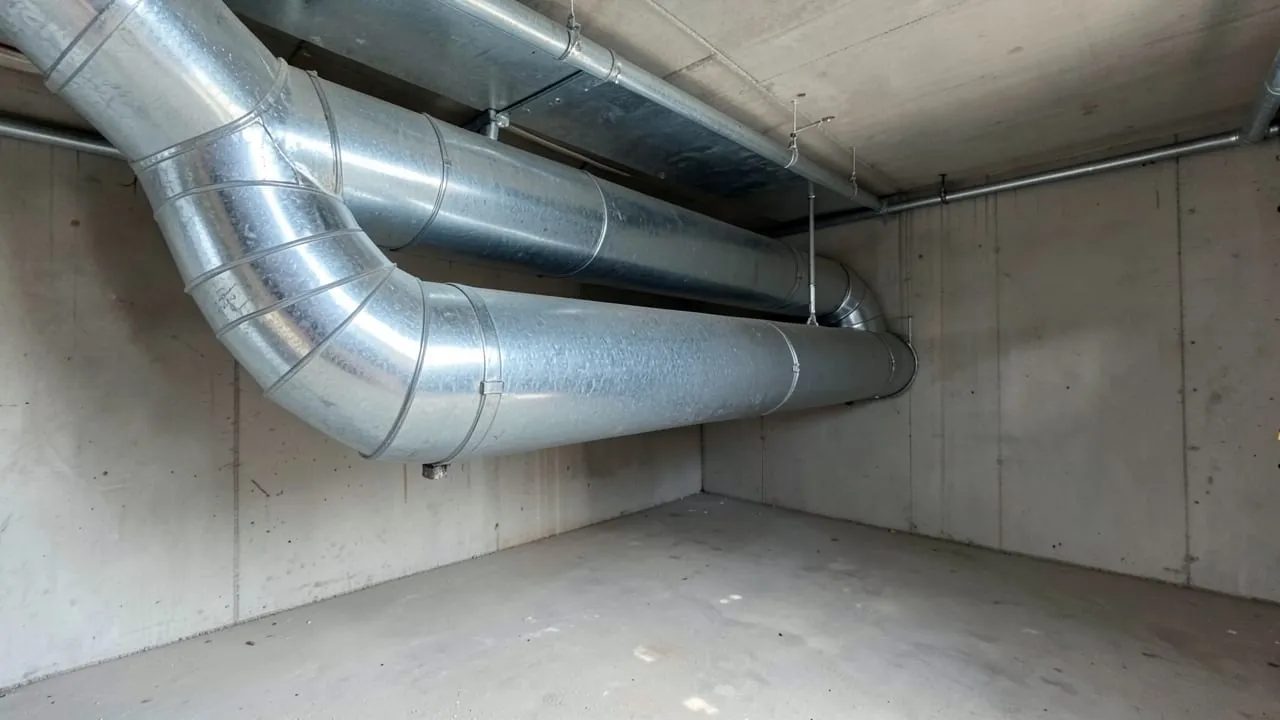
Metal Ductwork Mold Remediation in Newport Beach, CA
Professional removal of mold from metal ductwork to restore indoor air quality.
Learn More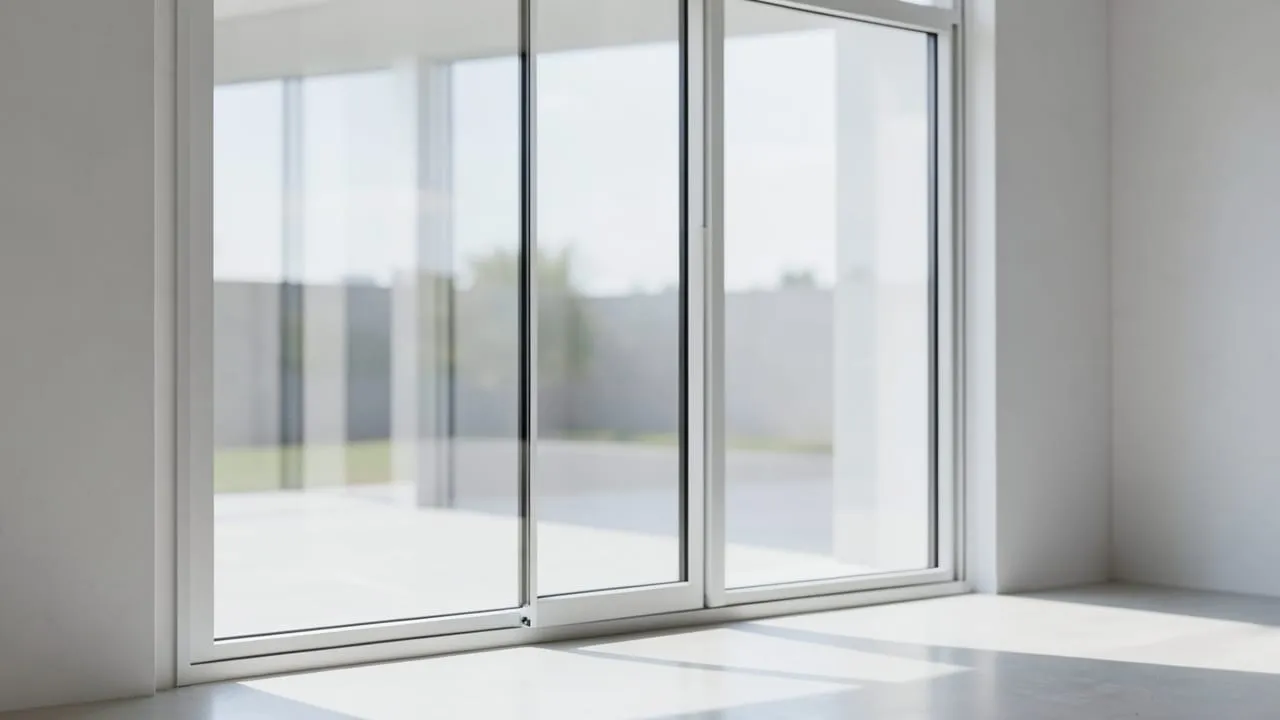
Glass Window Mold Removal in Newport Beach, CA
Professional removal of mold from glass windows and frames to restore clarity and prevent spread.
Learn More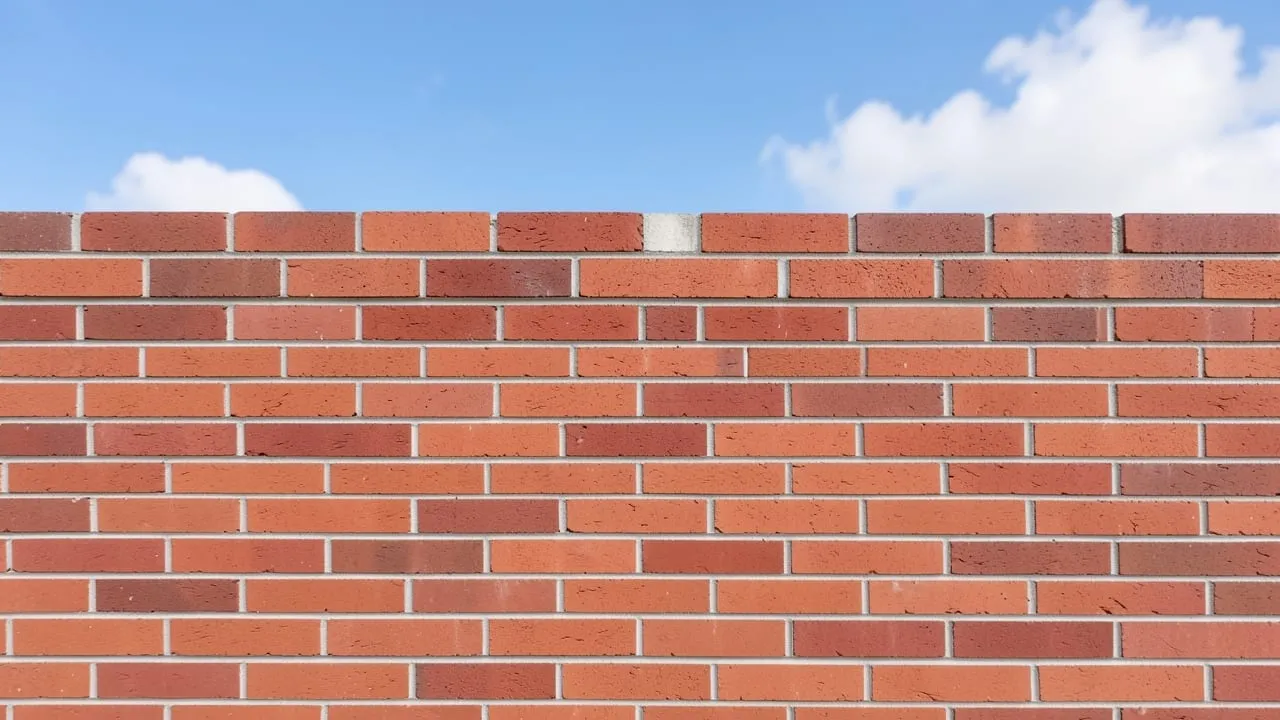
Brick Masonry Mold Treatment in Newport Beach, CA
Professional mold treatment and removal from brick masonry to restore structural integrity and indoor air quality.
Learn More
Stairwell Mold Remediation in Newport Beach, CA
Professional mold removal and prevention in stairwells to restore safe, clean spaces.
Learn More
Pantry Mold Treatment in Newport Beach, CA
Professional assessment and removal of mold in pantry areas to restore a safe, clean space.
Learn More
Hallway Mold Remediation in Newport Beach, CA
Professional removal and treatment of mold growth in residential hallways.
Learn MoreCommon Questions About Mold Remediation in Newport Beach
Everything you need to know about mold remediation services in Newport Beach
How much does Gym Mold Remediation typically cost in Newport Beach, CA?
Does coastal humidity around Newport Beach, CA change how mold risk is assessed?
Is a final clearance test part of a typical mold remediation job?
How does mold remediation actually prevent the problem from coming back?
Can mold growing inside HVAC ductwork spread to the rest of a home?
Does mold mean the same thing as mildew?
Need Mold Remediation in Newport Beach?
Connect with local providers in Newport Beach for a detailed quote.
⏰ We answer your call • Serving all of Newport Beach and surrounding areas