
Glass Window Mold Removal
Professional removal of mold from glass windows and frames to restore clarity and prevent spread.
Glass window mold removal in Newport Beach targets fungal growth on window panes, sills, and frames, addressing moisture-driven issues that can spread if left untreated. This process involves cleaning, disinfecting, and treating affected areas while preventing spore migration through containment and HEPA filtration.
Proper techniques ensure glass integrity and long-term prevention of regrowth.
We also handle Mold Prevention & Moisture Control and Mold & Asbestos Testing for Newport Beach properties.
When to address glass window mold
Mold on glass windows often starts as a small, isolated patch but can indicate a deeper moisture issue if ignored. In Newport Beach’s humid climate, signs like persistent dampness, recurring growth after cleaning, or a musty smell—especially when HVAC runs—suggest hidden moisture sources.
Left unchecked, spores can spread to framing, drywall, or even ductwork, turning a small job into a larger one.
California law treats mold covering more than 25 contiguous square feet as professional work requiring a licensed contractor. If mold keeps returning in the same spot or appears in multiple locations, it’s likely tied to unresolved moisture—such as leaks, poor ventilation, or grading problems near the foundation.
Addressing these root causes is key to preventing future growth.
Signs You Need Professional Mold Removal
- Mold covers more than a small, isolated patch (especially over 25 sq ft).
- Growth returns within weeks after cleaning, even after multiple attempts.
- A musty smell persists with no visible mold, or worsens when HVAC turns on.
- Condensation or water stains appear on window frames, sills, or surrounding walls.
- Mold is found in multiple rooms or hidden areas (e.g., behind trim, under flooring).
What affects cost and scope
The cost of glass window mold removal in Newport Beach depends on the extent of contamination, materials involved, and whether hidden moisture sources need addressing.
Surface-level mold on glass or non-porous materials like tile is less expensive to treat than growth embedded in drywall or framing, which may require partial demolition and replacement. Black mold (Stachybotrys) typically increases costs by 15–25% due to stricter containment and disposal protocols.
Containment, HEPA filtration, and clearance testing add to the upfront cost but are critical to ensuring spores don’t spread during removal. Skipping these steps can lead to higher expenses later if the mold returns or spreads to unaffected areas.
Always confirm whether a quote includes inspection, testing, and post-remediation verification—these are often billed separately.
What to watch for in a quote
Not all quotes for mold removal are equal—some exclude critical steps like containment or clearance testing, while others bundle them in. A low bid that doesn’t specify square footage, materials, or post-remediation verification may leave you paying extra later.
Always ask whether the estimate covers inspection, remediation, and third-party testing, and whether the contractor is licensed under California’s CSLB for jobs over $500.
Red flags include verbal-only estimates, pressure to sign during the inspection, or upfront demands for full payment. Legitimate contractors provide a written scope of work detailing what’s included, how moisture sources will be addressed, and whether hidden mold could trigger additional costs.
Comparing bids apples-to-apples—with the same steps and testing—helps avoid surprises.
| Question to Ask | Why It Matters |
|---|---|
| Does the quote include containment and clearance testing? | Skipping these steps can spread spores or leave hidden mold untreated. |
| Is the square footage of affected areas specified? | Vague estimates make it hard to compare bids or spot hidden costs. |
| Will a third-party lab verify mold clearance after work? | Independent testing confirms the job’s effectiveness—no test means no proof. |
| How are moisture sources (leaks, condensation, grading) addressed? | Fixing the cause prevents regrowth; treating only symptoms often leads to repeat jobs. |
How glass window mold removal works
This process isolates the affected area, removes mold safely, and addresses moisture to prevent recurrence.
- 1Containment Setup
Plastic sheeting and negative-air machines seal the work area to trap spores during removal. Doors and vents are blocked, and HEPA air scrubbers run continuously to filter airborne particles, preventing spread to other rooms.
- 2Material Removal or Cleaning
Porous materials like drywall or insulation—where mold penetrates deeply—are cut out and bagged. Non-porous surfaces (glass, tile, framing) are scrubbed with antimicrobial solutions and HEPA-vacuumed to remove spores without damaging the material.
- 3Structural Drying
Industrial dehumidifiers and air movers dry framing and subfloors to safe moisture levels (typically under 12% relative humidity). This step is critical, as mold regrows on damp surfaces even after visible traces are removed.
- 4Clearance Testing
An independent lab tests air or surfaces for remaining spores. Results determine whether containment can be removed; without this step, there’s no confirmation the area is clear.
- 5Moisture Source Fix
The root cause—such as leaks, poor ventilation, or grading issues—is addressed to stop future growth. This often includes sealing gaps, improving airflow, or redirecting water away from the foundation.
Frequently asked questions
Can I clean mold off my windows myself, or should I hire a professional?
Small, isolated patches on glass or non-porous surfaces can often be cleaned with vinegar, hydrogen peroxide, or commercial mold killers. However, if the mold covers more than 25 sq ft, keeps returning, or appears in hidden areas (like behind trim), professional removal is recommended to prevent spread and address moisture sources.
How long does the mold removal process take for a typical window?
Surface-level mold on a single window may take a few hours, while larger jobs involving framing or multiple windows can span 1–3 days. Containment setup, drying time, and clearance testing add to the timeline, especially if hidden moisture or structural issues are found.
Will my insurance cover glass window mold removal?
Homeowners insurance typically covers mold damage if it stems from a sudden, accidental event (e.g., a burst pipe). Chronic issues like poor ventilation or grading problems are usually excluded. Check your policy or consult your agent to confirm coverage before hiring a contractor.
How can I prevent mold from coming back after removal?
Fix the moisture source first—seal leaks, improve airflow with fans or dehumidifiers, and ensure downspouts direct water away from the foundation. Monitor humidity levels (aim for 30–50% relative humidity) and inspect windows regularly for condensation or dampness, especially in Newport Beach’s humid climate.
Where Newport Beach sits, and what the Census lists nearby
Newport Beach sits in California, and the closest places listed in the U.S. Census Gazetteer are Costa Mesa (4.9 miles north), Laguna Beach (8.3 miles southeast), Fountain Valley (8.6 miles northwest), Irvine (8.8 miles northeast).
Within 25 miles of Newport Beach the same source lists 55 distinct incorporated places and census-designated places.
Those figures matter for glass window mold removal because they are straight-line distances between Census coordinate points: road mileage between Newport Beach and Costa Mesa runs longer than the 4.9 miles shown, which is why quotes for the same job differ between towns that look close together on a map.
Source: U.S. Census Bureau Gazetteer.
See Laguna Beach, CA for more, or explore everything on offer in Newport Beach from start to finish for our complete lineup.
Ready to get started?
Talk to a local mold remediation pro in Newport Beach — get a written quote.
Other Mold Remediation Services in Newport Beach
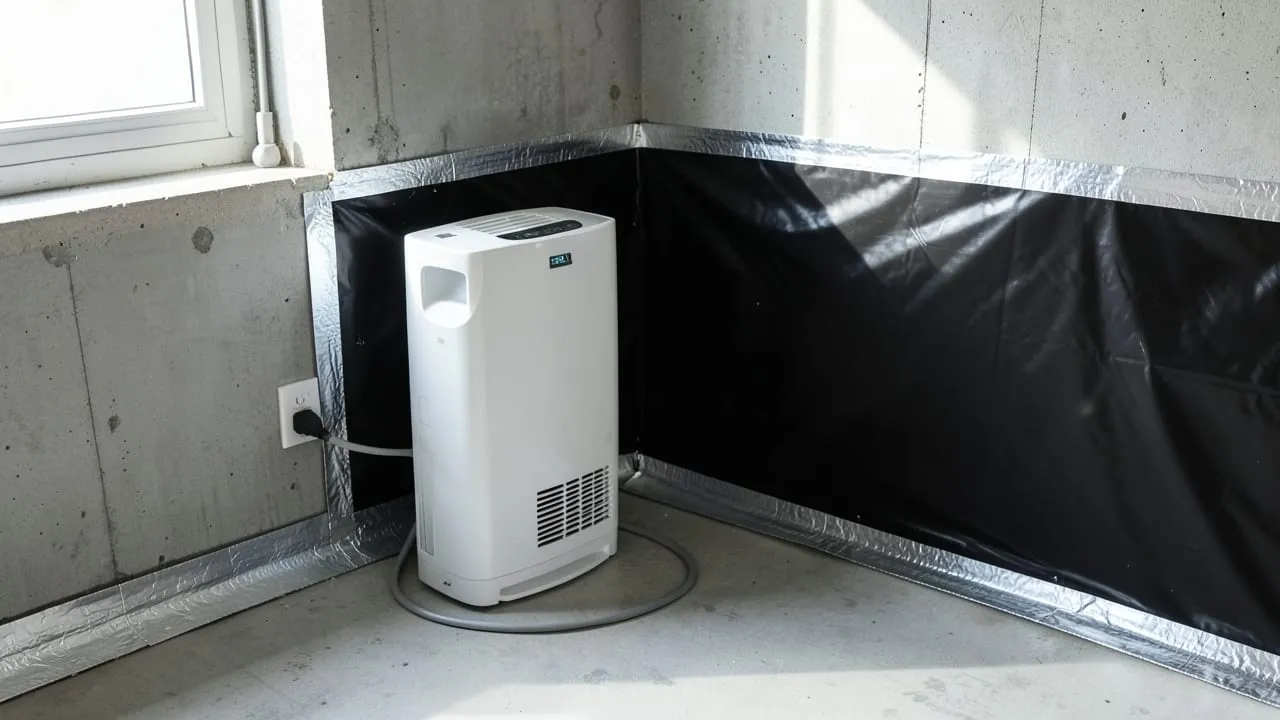
Mold Prevention & Moisture Control in Newport Beach, CA
Mold prevention and moisture control in Newport Beach, CA — addressing ventilation, humidity, and drainage before growth starts, not after.
Learn More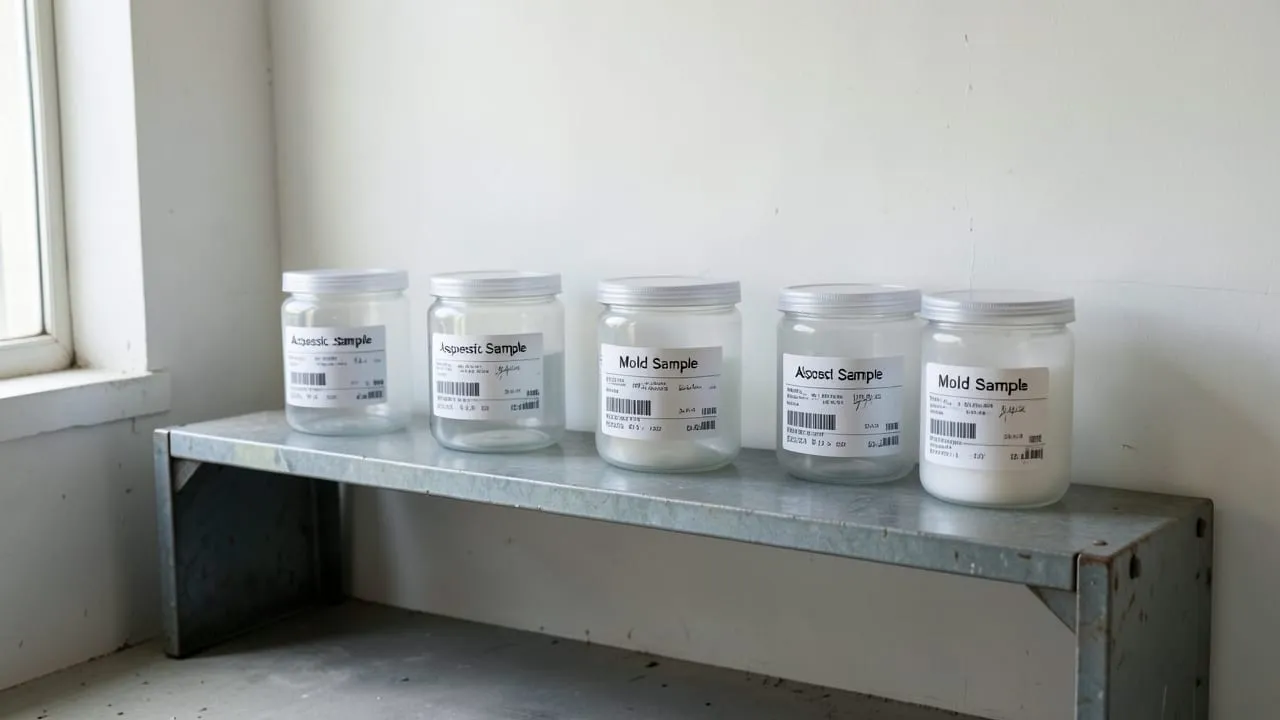
Mold & Asbestos Testing in Newport Beach, CA
Combined mold and asbestos testing in Newport Beach, CA — one inspection visit, lab-verified results for both.
Learn More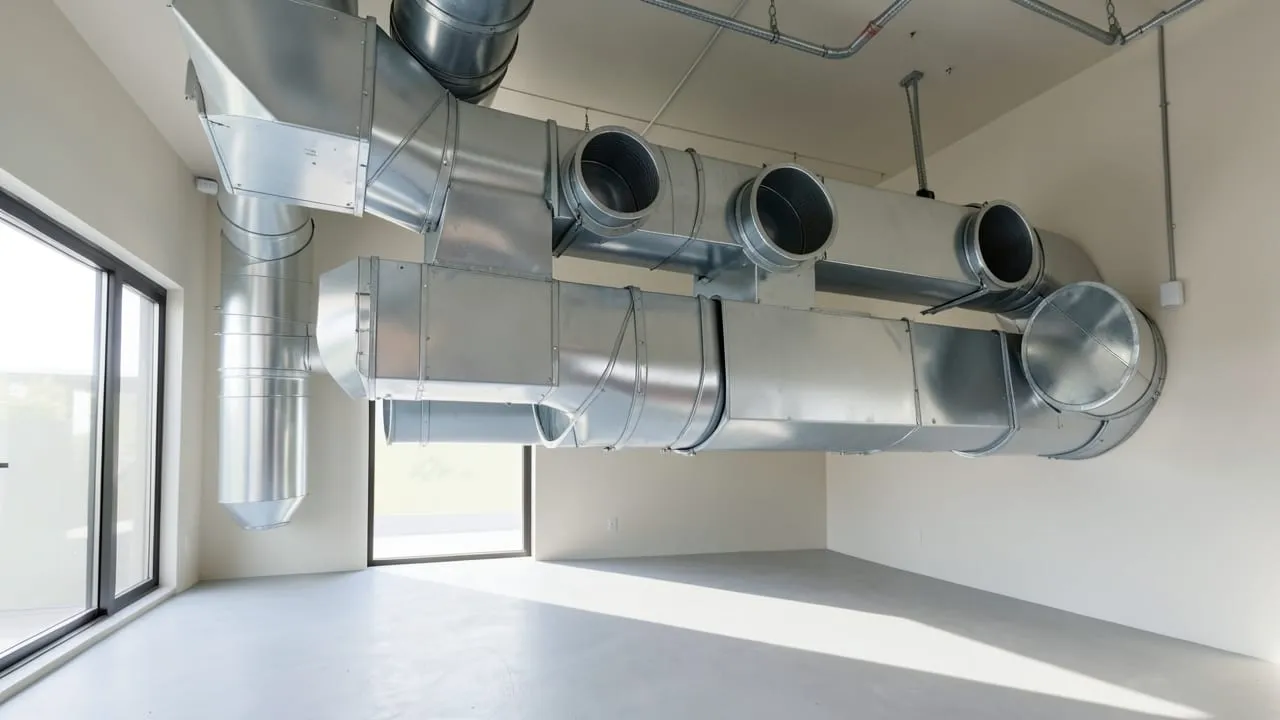
HVAC Mold Remediation in Newport Beach, CA
HVAC and ductwork mold remediation in Newport Beach, CA — mold growing inside the air handler or duct system, spreading through every vent.
Learn More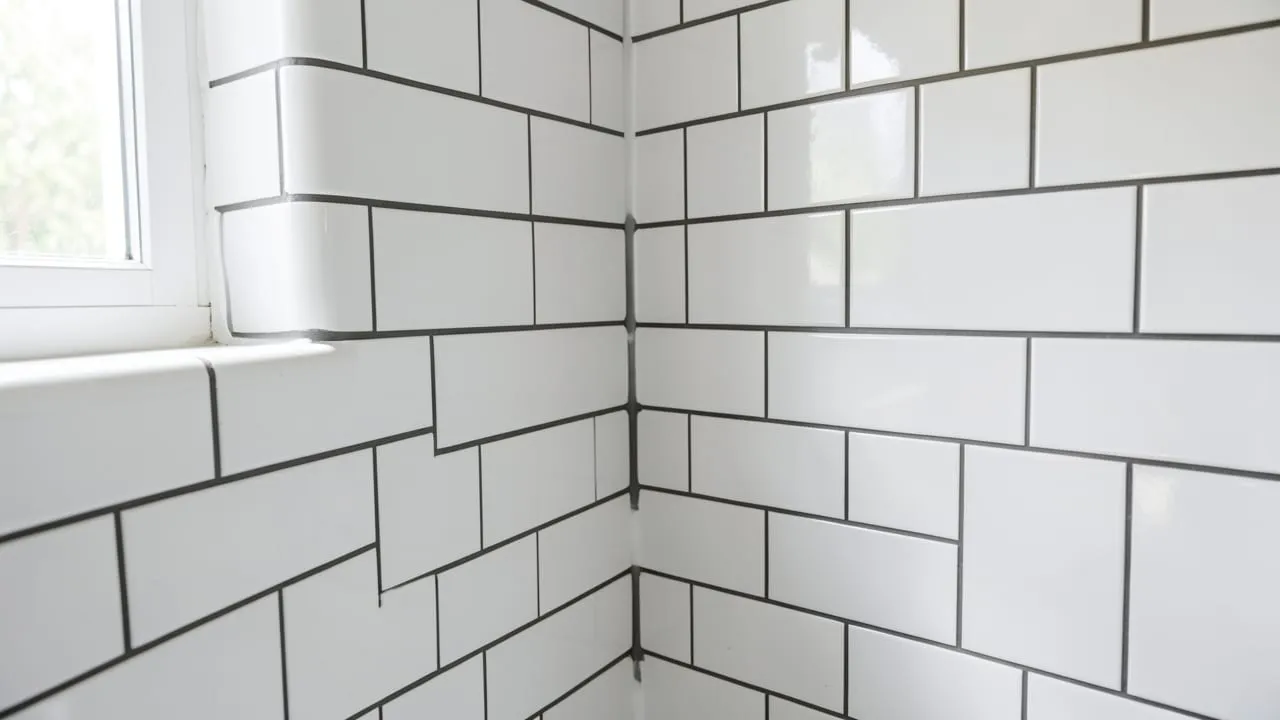
Bathroom Mold Removal in Newport Beach, CA
Professional assessment and removal of mold in bathrooms to restore a safe, clean environment.
Learn More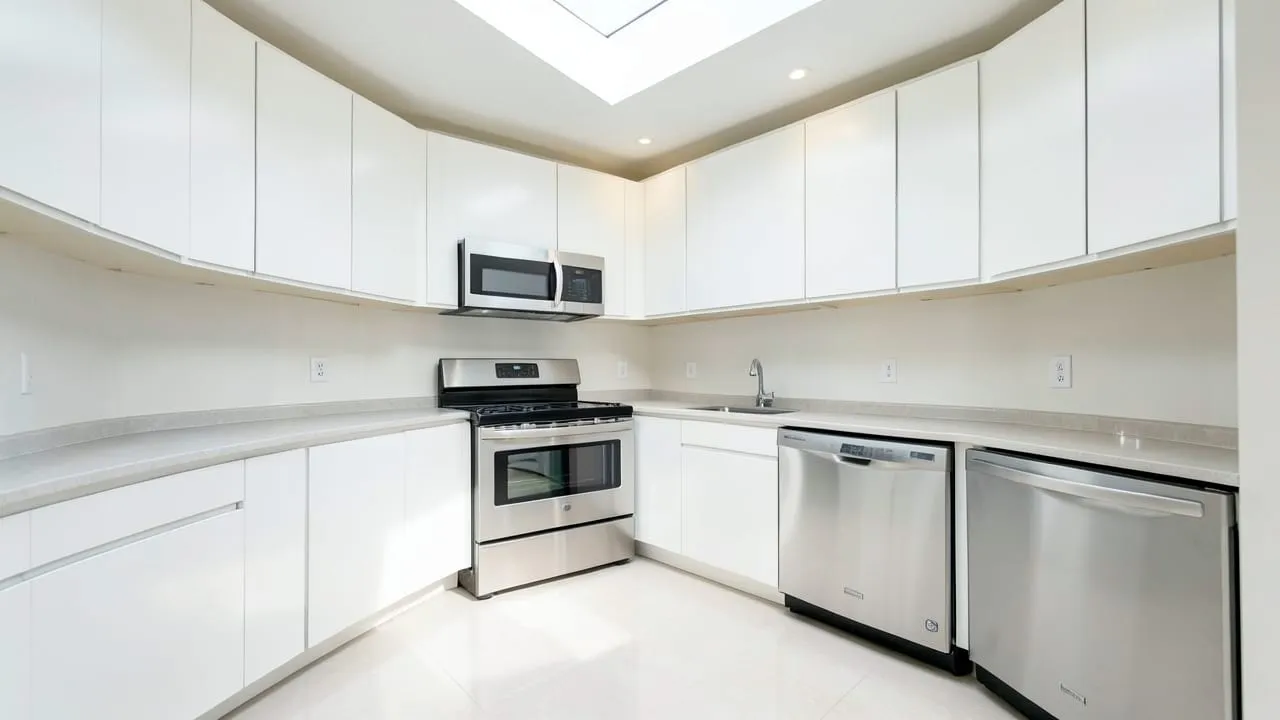
Kitchen Mold Cleanup in Newport Beach, CA
Professional assessment and removal of mold in kitchen areas to restore a safe, clean environment.
Learn More
Carpet Mold Treatment in Newport Beach, CA
Professional assessment and removal of mold growth from carpets to restore a safe indoor environment.
Learn MoreCommon Questions About Mold Remediation in Newport Beach
Everything you need to know about mold remediation services in Newport Beach
How much does Glass Window Mold Removal typically cost in Newport Beach, CA?
Does coastal humidity around Newport Beach, CA change how mold risk is assessed?
Is it safe to stay in the home during mold remediation?
Can small mold problems be handled without hiring anyone?
What's the actual difference between mold removal and mold remediation?
Is a final clearance test part of a typical mold remediation job?
Need Mold Remediation in Newport Beach?
Connect with local providers in Newport Beach for a detailed quote.
⏰ We answer your call • Serving all of Newport Beach and surrounding areas