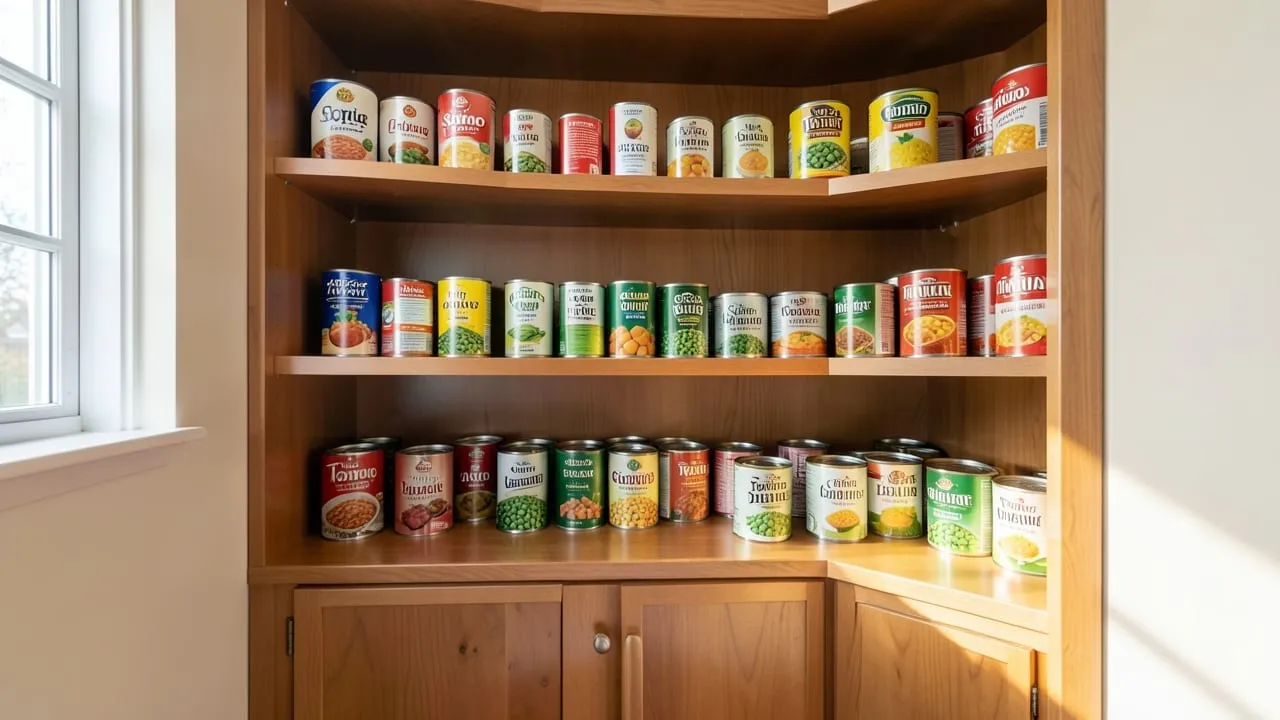
Pantry Mold Treatment
Professional assessment and removal of mold in pantry areas to restore a safe, clean space.
Pantry mold treatment in Newport Beach targets hidden growth in food storage areas, where moisture and poor airflow create ideal conditions for mold. Unlike surface cleaning, professional remediation includes containment, removal of contaminated materials, HEPA filtration, and moisture source fixes to prevent recurrence.
Local climate and home designs in Orange County make pantries especially vulnerable, requiring targeted solutions beyond basic disinfectants.
We also handle Metal Ductwork Mold Remediation and Glass Window Mold Removal for Newport Beach properties.
When to call for professional help
Mold in a pantry often starts small but can spread quickly if moisture sources—like leaks, condensation, or poor ventilation—aren’t addressed. Homeowners may notice musty odors, recurring growth after cleaning, or visible patches larger than a few square feet.
In California, mold covering 25+ contiguous square feet typically requires licensed remediation, as DIY methods risk spreading spores or missing hidden growth.
Hidden mold behind shelves, inside wall cavities, or under flooring often signals a larger problem. A smell that worsens when HVAC runs or reappears after cleaning suggests contamination beyond visible surfaces. Professional remediation includes testing to confirm the extent before containment begins, ensuring no spores escape during removal.
Signs Your Pantry Mold Needs Professional Treatment
- Mold covers more than a small, isolated patch (e.g., 25+ sq ft or larger).
- Growth returns within weeks after cleaning, even with disinfectants.
- A musty smell persists with no visible mold, or worsens when HVAC runs.
- Mold appears in multiple locations (e.g., walls, floors, ceiling) or behind stored items.
- You suspect hidden moisture—peeling paint, warped wood, or damp subflooring nearby.
What affects cost and timeline
Pantry mold remediation costs in Newport Beach vary based on the size of the affected area, type of mold, and whether hidden moisture sources require repairs.
Surface-level mold on drywall or tile typically ranges $600–$2,400 per room, while black mold or structural damage can increase costs by 15–25% due to extended containment and disposal needs.
Timelines depend on containment setup, material removal, and drying requirements. Jobs lasting 2–5 days are common for single-room pantries, but larger infestations or hidden growth behind walls may extend work. Structural drying with industrial dehumidifiers ensures mold doesn’t regrow, though humidity monitoring afterward is critical for long-term results.
After remediation: what homeowners should do
Post-remediation, the biggest risk of recurrence comes from unfixed moisture sources—leaks, poor ventilation, or grading issues. Homeowners should monitor humidity in the pantry for at least the first year, using a hygrometer to ensure levels stay below 60% relative humidity.
A small dehumidifier or exhaust fan can help in rooms with stagnant air, like windowless closets.
Outdoor factors—like downspouts draining near the foundation or sloped soil—can reintroduce moisture. Sealing gaps in exterior walls and redirecting water sources are often overlooked but critical steps. Independent clearance testing confirms spore levels are back to normal, though it doesn’t eliminate the need for ongoing moisture management.
Skipping moisture source repairs (e.g., fixing a leak or improving airflow) is the leading cause of mold returning within months. Using non-HEPA vacuums or fans can recirculate spores, and ignoring musty odors may mean hidden growth is still active.
How pantry mold remediation works
Professional remediation follows strict containment and removal protocols to prevent spore spread.
- 1Containment Setup
Plastic sheeting and negative-air machines seal the pantry, creating a controlled zone to capture spores during removal. Doors and vents are blocked, and HEPA air scrubbers run continuously to filter airborne particles.
- 2Material Removal
Porous materials (e.g., drywall, insulation) with deep mold growth are cut out and double-bagged. Non-porous surfaces (tile, metal framing) are scrubbed with antimicrobial treatments, not discarded, to preserve structural integrity.
- 3HEPA Filtration and Drying
Surfaces are vacuumed with HEPA-equipped tools, and industrial dehumidifiers dry framing and subfloors to normal moisture levels (below 15% for wood). This step prevents mold from regrowing in damp materials.
- 4Clearance Testing
An independent lab tests air and surfaces for residual spores. Results determine whether containment can be removed; spore counts must return to background levels (typical for the area) before the space is considered clear.
- 5Moisture Source Fixes
Leaks, condensation, or grading issues are repaired to eliminate the conditions that allowed mold to grow. This step is intended to help the finish last, though results depend on addressing the root cause.
Frequently asked questions
Can I clean pantry mold myself if it’s just a small spot?
Small, isolated patches (under 10 sq ft) can often be cleaned with vinegar, baking soda, or commercial mold killers, but scrubbing alone doesn’t fix hidden moisture. If mold keeps returning or smells persist, professional remediation is recommended to prevent spread.
Will my food be safe to use after mold remediation?
Food stored in sealed containers (e.g., glass jars, metal cans) is usually safe if the pantry was properly contained during remediation. Opened or porous-packaged items (e.g., cardboard boxes) should be discarded, as spores can penetrate packaging. All surfaces are treated afterward, but cross-contamination is possible if containment wasn’t airtight.
How do I know if my pantry’s humidity is still a problem after remediation?
Use a hygrometer to monitor humidity—levels above 60% relative humidity encourage mold regrowth. Musty odors, condensation on windows, or damp spots on shelves are also warning signs. A small dehumidifier or exhaust fan can help maintain dry conditions in windowless pantries.
Do I need to replace my pantry shelves or cabinets after mold remediation?
Wooden shelves and cabinets can often be saved if they’re non-porous and not deeply stained. Professionals will assess whether sanding, sealing, or antimicrobial treatments are sufficient. Porous materials (e.g., particleboard) may need replacement if mold has penetrated.
Where Newport Beach sits, and what the Census lists nearby
Newport Beach sits in California, and the closest places listed in the U.S. Census Gazetteer are Costa Mesa (4.9 miles north), Laguna Beach (8.3 miles southeast), Fountain Valley (8.6 miles northwest), Irvine (8.8 miles northeast).
Within 25 miles of Newport Beach the same source lists 55 distinct incorporated places and census-designated places.
Those figures matter for pantry mold treatment because they are straight-line distances between Census coordinate points: road mileage between Newport Beach and Costa Mesa runs longer than the 4.9 miles shown, which is why quotes for the same job differ between towns that look close together on a map.
Source: U.S. Census Bureau Gazetteer.
See Tustin, CA for more, or check out everything on offer in Newport Beach by service type for our complete lineup.
Ready to get started?
Talk to a local mold remediation pro in Newport Beach — get a written quote.
Other Mold Remediation Services in Newport Beach
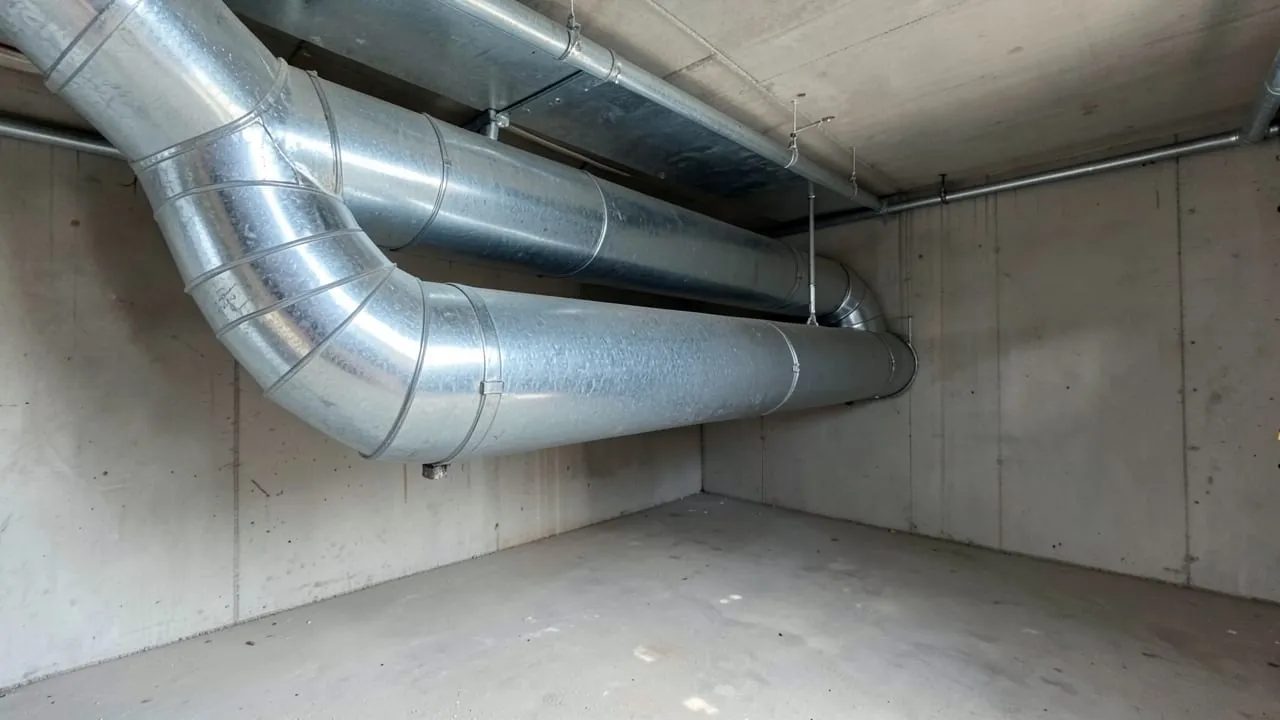
Metal Ductwork Mold Remediation in Newport Beach, CA
Professional removal of mold from metal ductwork to restore indoor air quality.
Learn More
Glass Window Mold Removal in Newport Beach, CA
Professional removal of mold from glass windows and frames to restore clarity and prevent spread.
Learn More
Brick Masonry Mold Treatment in Newport Beach, CA
Professional mold treatment and removal from brick masonry to restore structural integrity and indoor air quality.
Learn More
Stairwell Mold Remediation in Newport Beach, CA
Professional mold removal and prevention in stairwells to restore safe, clean spaces.
Learn More
Hallway Mold Remediation in Newport Beach, CA
Professional removal and treatment of mold growth in residential hallways.
Learn More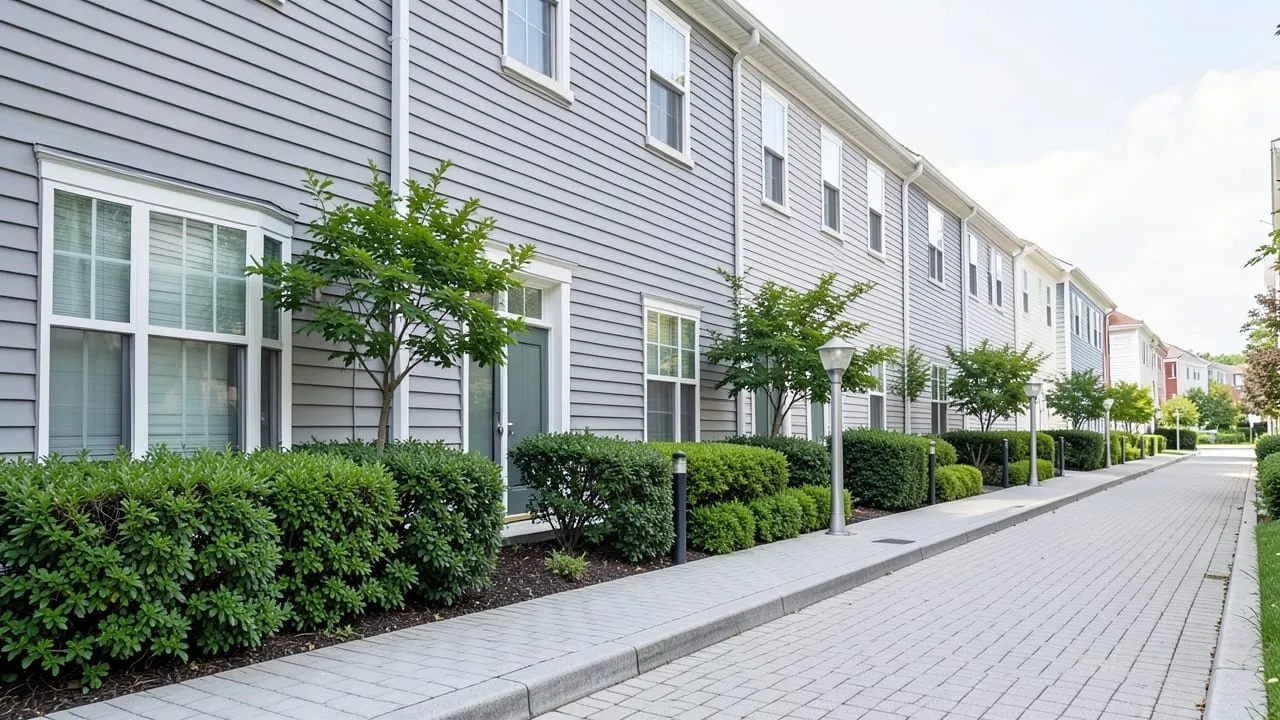
HOA Mold Remediation in Newport Beach, CA
Professional mold removal and remediation for HOA properties to restore safe, healthy living conditions.
Learn MoreCommon Questions About Mold Remediation in Newport Beach
Everything you need to know about mold remediation services in Newport Beach
How much does Pantry Mold Treatment typically cost in Newport Beach, CA?
Does coastal humidity around Newport Beach, CA change how mold risk is assessed?
Does homeowners insurance typically cover mold remediation?
Is black mold actually more dangerous than other mold types?
How long does a typical mold remediation job take?
Is it safe to stay in the home during mold remediation?
Need Mold Remediation in Newport Beach?
Connect with local providers in Newport Beach for a detailed quote.
⏰ We answer your call • Serving all of Newport Beach and surrounding areas