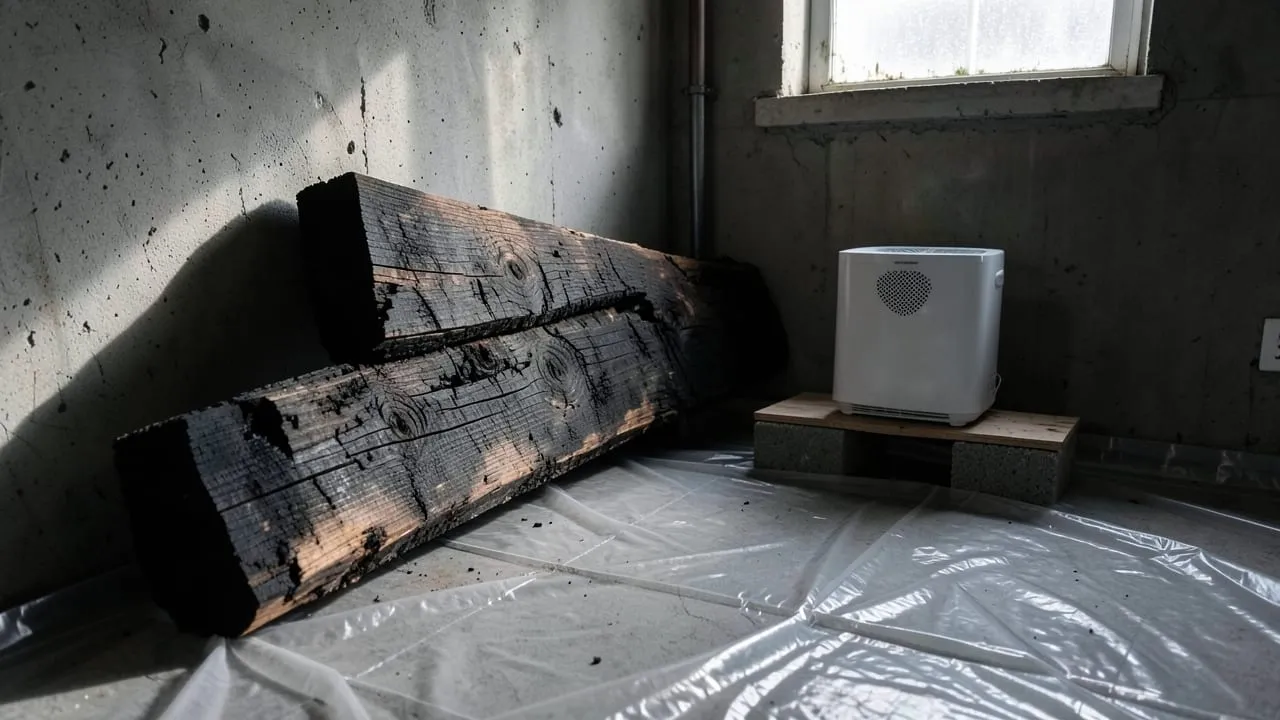
Fire Smoke Mold Remediation
Professional cleanup and restoration of fire, smoke, and mold damage in homes.
Fire, smoke, and mold damage in Newport Beach homes require specialized remediation to restore safety and prevent long-term issues. After a fire or water leak, hidden mold can spread quickly, while smoke residue lingers even after visible soot is gone.
Proper cleanup involves containment, removal of contaminated materials, and thorough drying to stop regrowth and eliminate odors. Local regulations require licensed contractors for jobs over $500, ensuring compliance with California’s mold and restoration standards.
We also handle Storm Damage Mold Cleanup and Pre-Winter Mold Prevention for Newport Beach properties.
When to call for remediation
Mold growth beyond a small patch, recurring after cleaning, or hidden behind walls signals a need for professional help. Musty odors with no visible mold often mean hidden contamination—especially if the smell worsens when HVAC runs.
Fire or smoke damage that penetrates deep into materials (like drywall or carpet padding) also requires specialized cleaning to avoid lingering odors or structural risks.
DIY methods may remove surface mold but fail to address moisture sources or porous materials where mold embeds. Containment breaches during cleanup can spread spores to unaffected areas, turning a small job into a larger one. Professional remediation follows containment, removal, drying, and testing protocols to minimize regrowth risks.
Signs You Need Professional Remediation
- Mold covers more than 25 contiguous square feet (California’s threshold for licensed work).
- Growth returns within weeks after cleaning, often due to an unfixed moisture issue.
- Musty odors persist even after visible mold is removed, especially near HVAC vents.
- Fire or smoke damage affects structural materials (framing, insulation) or leaves lingering odors.
- You notice black or discolored spots on walls, ceilings, or under flooring after water damage.
What affects cost and timeline
Pricing depends on the size of the affected area, the type of materials damaged, and whether hidden mold or structural drying is needed.
Fire and smoke cleanup for a single room typically ranges widely based on soot depth and odor severity, while mold remediation adds costs for containment, removal, and testing. Jobs requiring demolition (e.g., drywall removal) or extended drying take longer than surface treatments.
Clearance testing by an independent lab is often billed separately and ensures the work meets safety standards. Skipping this step leaves no confirmation that spores are fully addressed. Containment breaches or unexpected hidden mold can also delay completion and increase costs.
What to watch for in a quote
Not all quotes cover the same steps—containment, clearance testing, and moisture source fixes may be listed separately. A low bid that excludes these could leave hidden issues unresolved.
Always ask for a written scope of work detailing exactly what’s included, especially if walls or flooring need opening to access hidden mold.
Red flags include pressure to sign during the inspection, no mention of post-remediation testing, or a bid that doesn’t specify square footage. Licensing is another critical check: California requires a CSLB license for jobs over $500, but some contractors may overlook this or use certifications like IICRC as a substitute.
| Red Flag | Why It Matters |
|---|---|
| No written scope of work | Makes it impossible to compare bids or hold the contractor accountable for missing steps. |
| Full payment requested upfront | Removes leverage if the job isn’t completed as promised. |
| No mention of clearance testing | Without independent verification, you won’t know if spores were fully addressed. |
| Pressure to sign during inspection | A legitimate scope takes time to prepare—rushing skips your chance to compare options. |
How fire, smoke, and mold remediation works
Professional remediation follows strict containment and testing protocols to safely remove damage and prevent regrowth.
- 1Containment
Plastic sheeting and negative-air machines seal the work area to prevent spores from spreading during cleanup. This step is critical for jobs over 25 sq ft or when mold is hidden behind walls.
- 2Removal
Porous materials like drywall or carpet padding—where mold grows deep—are cut out and bagged inside containment. Non-porous surfaces (tile, metal framing) are scrubbed and treated to remove surface contamination.
- 3HEPA Filtration and Drying
HEPA air scrubbers run continuously to capture airborne spores, while industrial dehumidifiers and air movers dry structural materials to prevent mold regrowth. Standard shop vacuums or non-HEPA filters recirculate spores instead of removing them.
- 4Clearance Testing
An independent lab tests air or surfaces after remediation to confirm spore counts are back to normal levels. This step ensures the work meets safety standards and isn’t just surface-level.
Frequently asked questions
Can I clean up mold myself if it’s only in one corner of my bathroom?
Small patches (under 25 sq ft) can often be cleaned with detergent and water, but hidden moisture or porous materials may still harbor spores. If the mold keeps coming back or you notice a musty smell, professional remediation is safer to address the root cause.
How long does it take to dry a wall after water damage before mold can grow?
Mold typically begins growing within 24–48 hours of water exposure. Industrial dehumidifiers and air movers are used to bring materials down to normal moisture levels, often taking 3–7 days depending on the size of the affected area.
Will my insurance cover fire or smoke damage cleanup?
Most homeowners’ policies cover fire damage, but smoke and soot cleanup may require a separate claim. Mold damage from a covered event (like a fire) is often included, but pre-existing mold or water leaks may not be. Always check with your provider before hiring a contractor.
How do I know if the remediation actually worked?
Independent clearance testing by a third-party lab is the only way to confirm spore levels are back to normal. Without this step, lingering odors or visible regrowth may indicate incomplete work.
Where Newport Beach sits, and what the Census lists nearby
Newport Beach sits in California, and the closest places listed in the U.S. Census Gazetteer are Costa Mesa (4.9 miles north), Laguna Beach (8.3 miles southeast), Fountain Valley (8.6 miles northwest), Irvine (8.8 miles northeast).
Within 25 miles of Newport Beach the same source lists 55 distinct incorporated places and census-designated places.
Those figures matter for fire smoke mold remediation because they are straight-line distances between Census coordinate points: road mileage between Newport Beach and Costa Mesa runs longer than the 4.9 miles shown, which is why quotes for the same job differ between towns that look close together on a map.
Source: U.S. Census Bureau Gazetteer.
See Rancho Santa Margarita, CA for more, or explore every option available in Newport Beach by category for our complete lineup.
Ready to get started?
Talk to a local mold remediation pro in Newport Beach — get a written quote.
Other Mold Remediation Services in Newport Beach
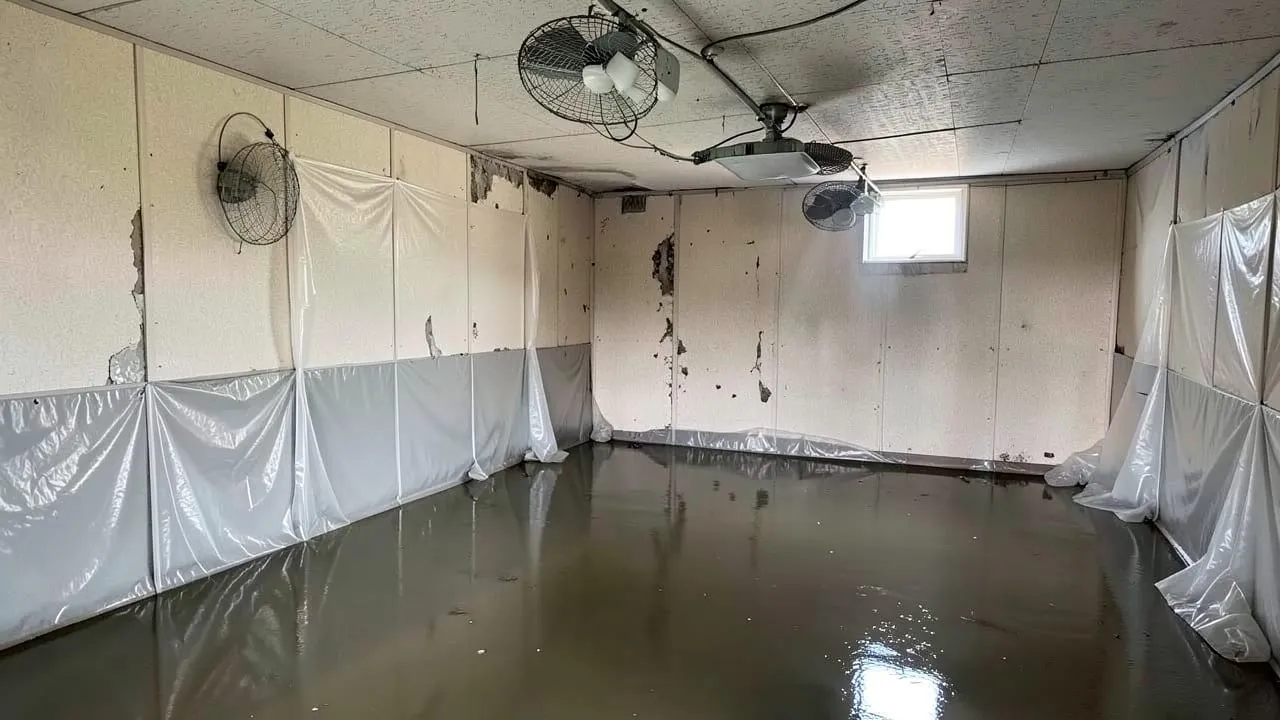
Storm Damage Mold Cleanup in Newport Beach, CA
Professional cleanup and remediation of mold caused by storm-related water damage in homes.
Learn More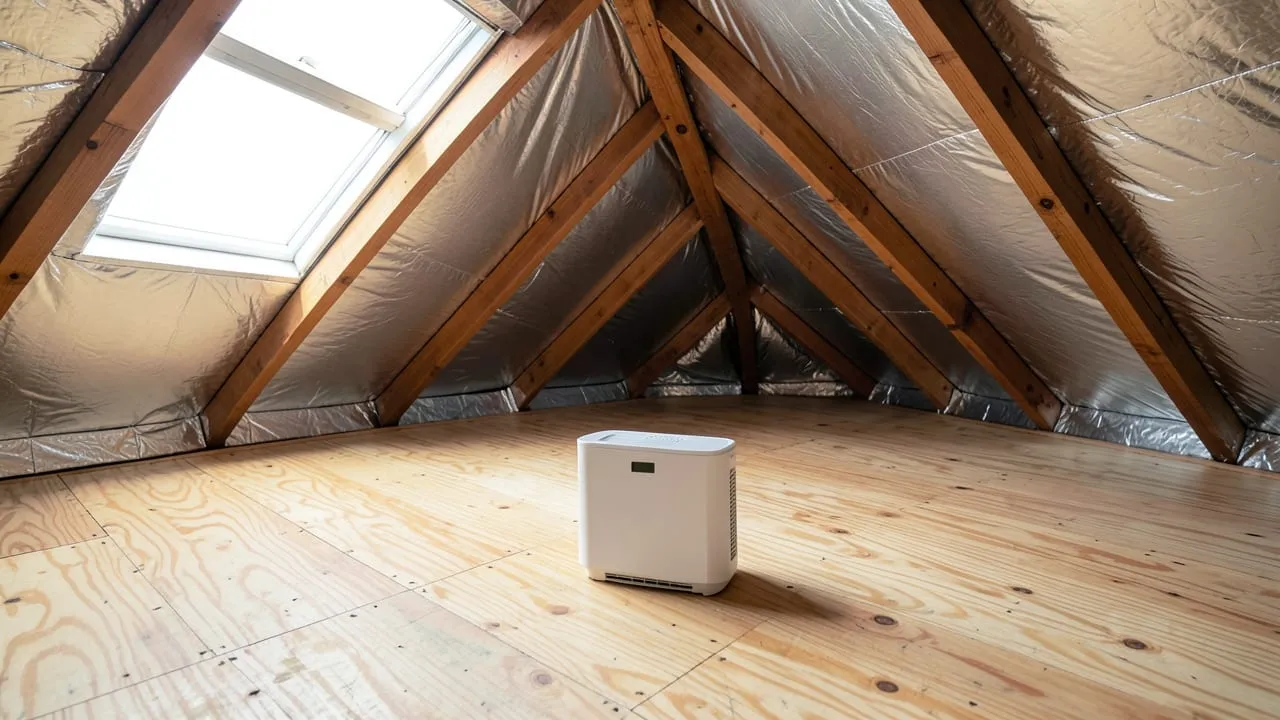
Pre-Winter Mold Prevention in Newport Beach, CA
Pre-winter mold prevention involves inspection and treatment to stop mold growth before cold weather.
Learn More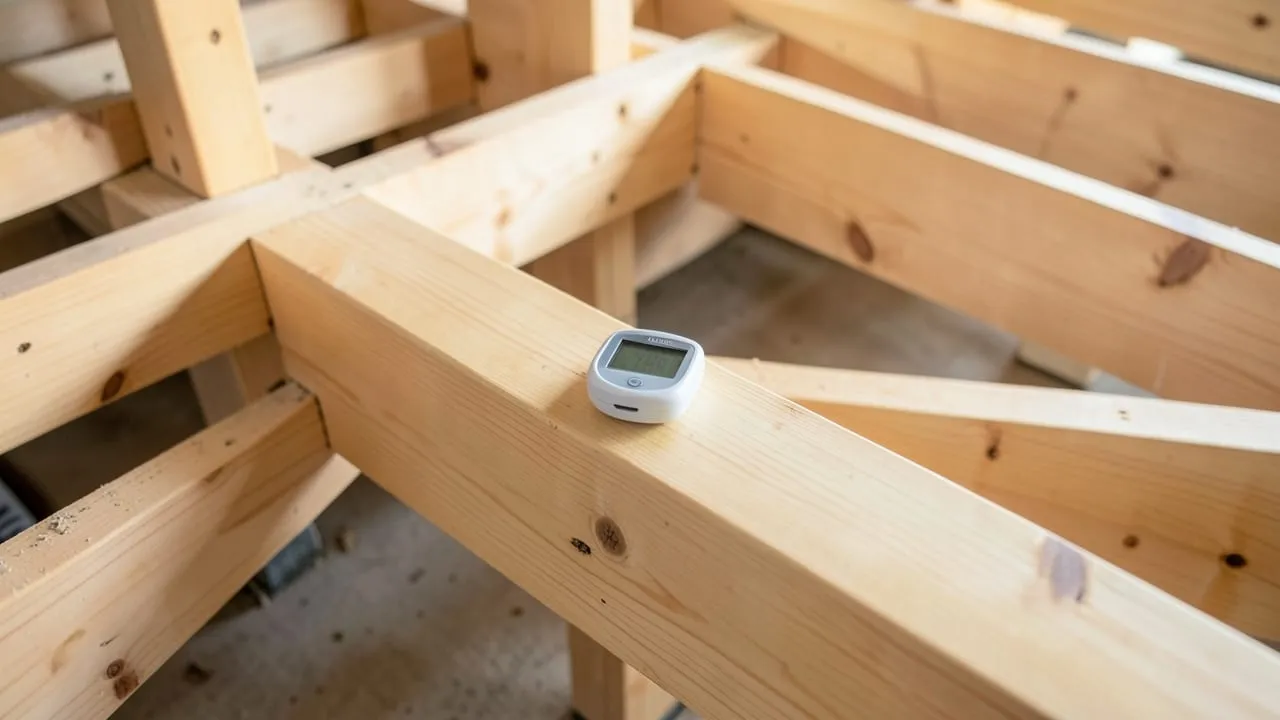
Spring Mold Inspection in Newport Beach, CA
Professional assessment and identification of mold growth in homes.
Learn More
Move-In Mold Assessment in Newport Beach, CA
Professional inspection and assessment of mold presence before moving into a property.
Learn More
Mold Inspection in Newport Beach, CA
Mold inspection in Newport Beach, CA — a visual and moisture-meter assessment that finds the source of growth, not just the visible spot on the wall.
Learn More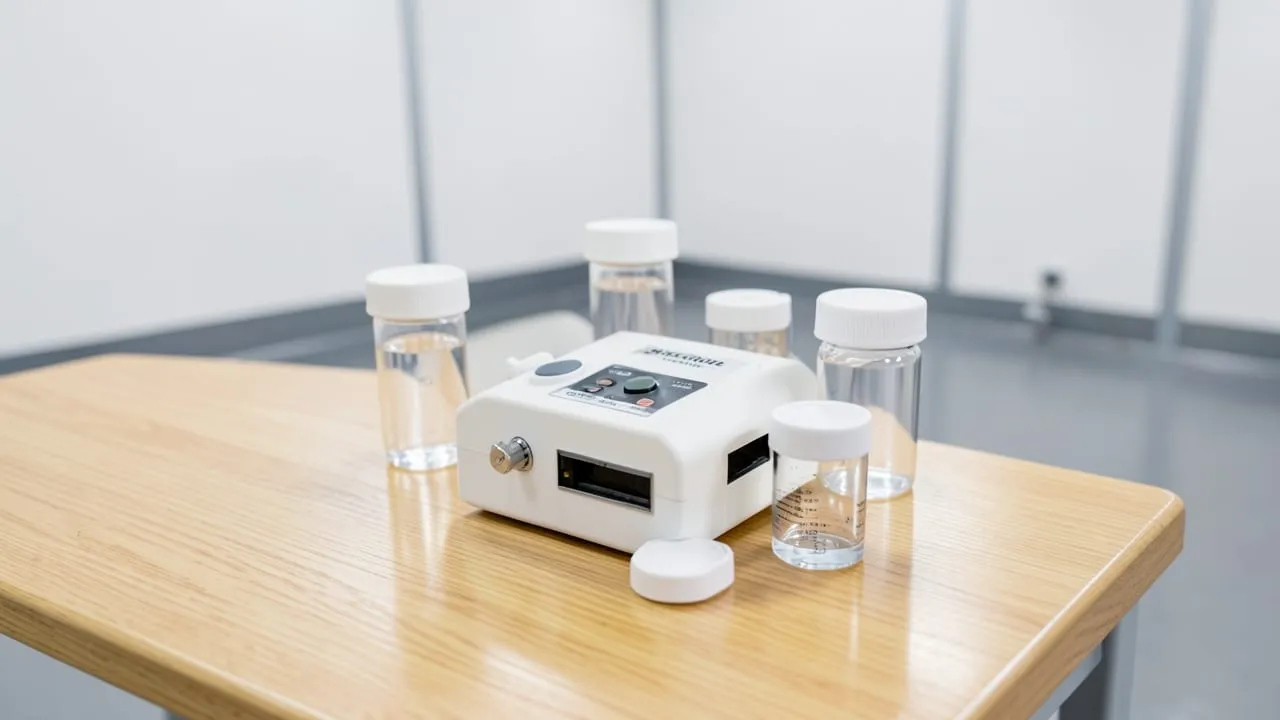
Mold Testing & Air Quality Testing in Newport Beach, CA
Mold and indoor air quality testing in Newport Beach, CA — lab-analyzed air and surface samples confirm what's actually growing and whether it's airborne.
Learn MoreCommon Questions About Mold Remediation in Newport Beach
Everything you need to know about mold remediation services in Newport Beach
How much does Fire Smoke Mold Remediation typically cost in Newport Beach, CA?
Does coastal humidity around Newport Beach, CA change how mold risk is assessed?
What's the actual difference between mold removal and mold remediation?
Is a final clearance test part of a typical mold remediation job?
How does mold remediation actually prevent the problem from coming back?
Can mold growing inside HVAC ductwork spread to the rest of a home?
Need Mold Remediation in Newport Beach?
Connect with local providers in Newport Beach for a detailed quote.
⏰ We answer your call • Serving all of Newport Beach and surrounding areas