Move-In Mold Assessment
Professional inspection and assessment of mold presence before moving into a property.
A move-in mold assessment in Newport Beach, CA identifies hidden and visible mold growth before you occupy your new home. Trained inspectors examine walls, ceilings, HVAC systems, and basements to detect moisture sources and contamination, helping you understand potential risks before moving in.
This service is essential for ensuring a healthy living environment from day one.
We also handle Sewer Backup Mold Cleanup and School Mold Remediation for Newport Beach properties.
Why a move-in assessment matters
Mold can grow unseen in walls, under floors, or behind appliances, often triggered by leaks, high humidity, or poor ventilation. A move-in assessment catches these issues early, preventing long-term damage and health concerns. Without it, hidden mold may resurface after you’ve already settled in, leading to costly repairs and discomfort.
Newport Beach’s coastal climate and frequent humidity create ideal conditions for mold growth. Even minor leaks or moisture buildup can become major problems if left unchecked. An assessment provides a clear picture of what needs attention before you commit to a home purchase or move-in.
Signs You Need a Move-In Mold Assessment
- A persistent musty or earthy smell in closets, bathrooms, or crawl spaces that doesn’t fade with airing out.
- Visible mold spots (black, green, brown, or dark speckles) on drywall, grout, window frames, or under carpets.
- A history of leaks or floods in the home that were addressed superficially (e.g., mopped up but not professionally inspected).
- Health symptoms (sneezing, headaches, or itchy eyes) that improve when you leave a specific room or area.
- Condensation or water stains on walls, ceilings, or windows, even if no active leak is visible.
What the assessment covers
A thorough move-in assessment includes a visual inspection, moisture detection, air and surface sampling, and lab analysis. Inspectors use tools like moisture meters and thermal imaging to identify hidden dampness, while samples are collected from affected and unaffected areas for comparison.
The goal is to pinpoint mold sources and moisture origins—not just confirm its presence.
The process concludes with a detailed report outlining affected materials, moisture sources, and square footage involved. This document serves as a roadmap for remediation and helps you prioritize fixes before they become larger problems.
Avoiding common pitfalls
Cross-contamination during sampling can skew results by introducing mold spores into control areas. Professional inspectors use strict protocols to prevent this, ensuring accurate comparisons between affected and unaffected spaces.
Skipping moisture source diagnosis leaves you vulnerable to recurring mold—even if spores are removed, the problem will persist if the root cause isn’t addressed.
In California, mold remediation work over $500 requires a licensed contractor (CSLB). Always verify licensing directly with the Contractors State License Board to avoid unqualified providers. A written scope of work is also critical—it protects you from unexpected costs or incomplete remediation down the line.
Beware of bids that exclude containment, clearance testing, or a detailed scope of work. Vague area estimates, pressure to sign immediately, or upfront full payment requests are warning signs of potential disputes later. Always compare quotes that include all phases of the process.
How a move-in mold assessment works
A professional assessment follows a structured process to identify mold and moisture issues before you move in.
- 1Visual and Moisture Inspection
The inspector examines every accessible area—walls, ceilings, basements, and HVAC systems—for visible mold, staining, or signs of water damage. Moisture meters and thermal imaging detect hidden dampness in cavities or subfloors that isn’t visible to the naked eye.
- 2Air and Surface Sampling
Samples are collected from suspect areas and one unaffected room (as a control) using spore-trap air samples and surface swabs. This ensures lab results can be compared against a baseline, not judged in isolation.
- 3Independent Lab Analysis
Samples are sent to a third-party accredited lab for analysis, typically taking 2–5 business days. The lab reports spore counts and species, which helps determine the severity and type of mold present.
- 4Moisture Source Diagnosis
The inspector traces moisture back to its origin—whether it’s a roof leak, plumbing issue, poor grading, or condensation. Identifying the source is critical to preventing mold from returning after remediation.
- 5Written Scope Report
A detailed report is provided, outlining affected materials, moisture sources, and square footage involved. This document is used by remediation contractors to plan the work and, in some cases, is required by law before remediation begins.
Frequently asked questions
Can a move-in assessment detect mold hidden behind walls or under floors?
Yes. Inspectors use moisture meters and thermal imaging to identify hidden dampness in wall cavities or subfloors. If mold is suspected but not visible, air and surface sampling from adjacent areas can help confirm its presence.
What should I do if the assessment finds mold in my new home?
The report will outline affected areas and moisture sources. You can then consult with licensed remediation contractors to address the issue. Fixing the moisture source is key to preventing mold from returning after cleanup.
How long does it take to get results from the lab?
Lab turnaround typically takes 2–5 business days, depending on the facility. The inspector will provide a timeline during the assessment and follow up with the report once results are ready.
Is a move-in assessment required by law in California?
No, but it’s highly recommended for homebuyers. California requires licensed contractors for remediation work over $500, and a pre-move-in assessment helps ensure you’re aware of potential issues before they become costly problems.
Where Newport Beach sits, and what the Census lists nearby
Newport Beach sits in California, and the closest places listed in the U.S. Census Gazetteer are Costa Mesa (4.9 miles north), Laguna Beach (8.3 miles southeast), Fountain Valley (8.6 miles northwest), Irvine (8.8 miles northeast).
Within 25 miles of Newport Beach the same source lists 55 distinct incorporated places and census-designated places.
Those figures matter for move-in mold assessment because they are straight-line distances between Census coordinate points: road mileage between Newport Beach and Costa Mesa runs longer than the 4.9 miles shown, which is why quotes for the same job differ between towns that look close together on a map.
Source: U.S. Census Bureau Gazetteer.
See Irvine, CA for more, or check out our full Newport Beach-area coverage on a single page for our complete lineup.
Ready to get started?
Talk to a local mold remediation pro in Newport Beach — get a written quote.
Other Mold Remediation Services in Newport Beach
Sewer Backup Mold Cleanup in Newport Beach, CA
Professional cleanup of mold caused by sewer backups in homes.
Learn More
School Mold Remediation in Newport Beach, CA
Professional mold removal and remediation in schools to ensure a safe, healthy environment.
Learn More
Hospital Mold Removal in Newport Beach, CA
Professional assessment and removal of mold in hospitals to ensure a safe, healthy environment.
Learn More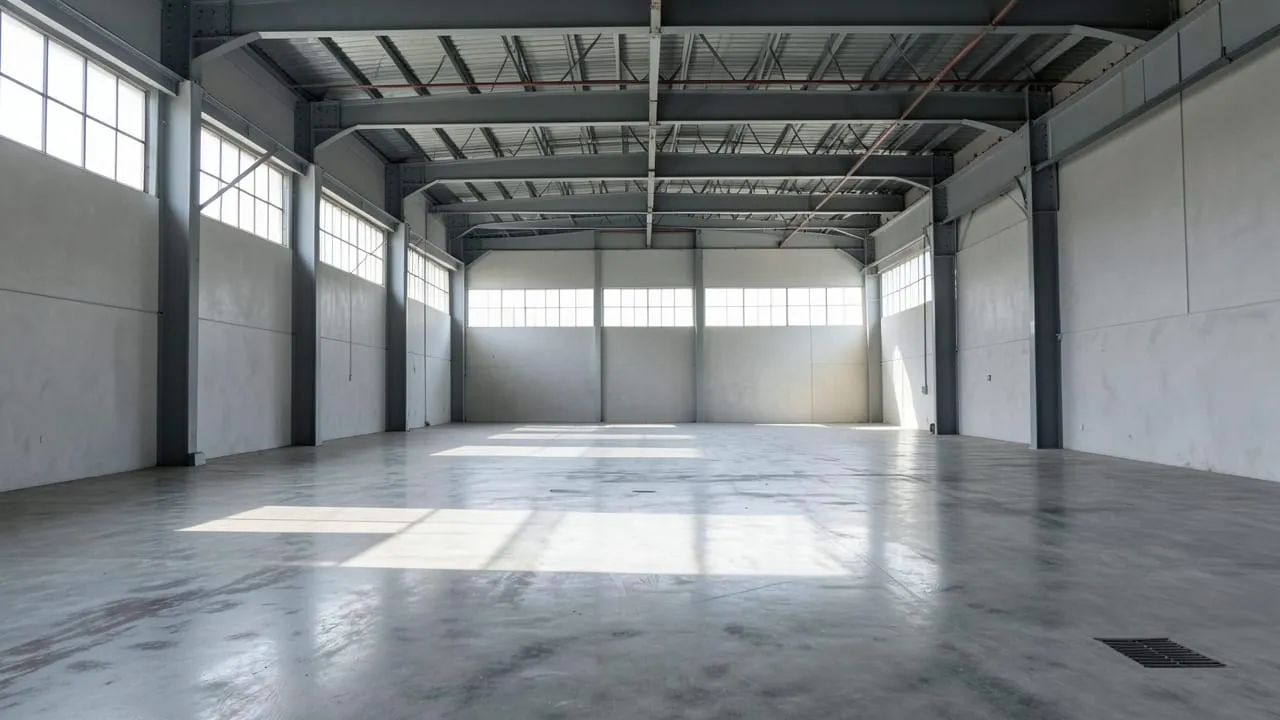
Warehouse Mold Cleanup in Newport Beach, CA
Professional removal of mold from warehouse spaces to restore safe, clean conditions.
Learn More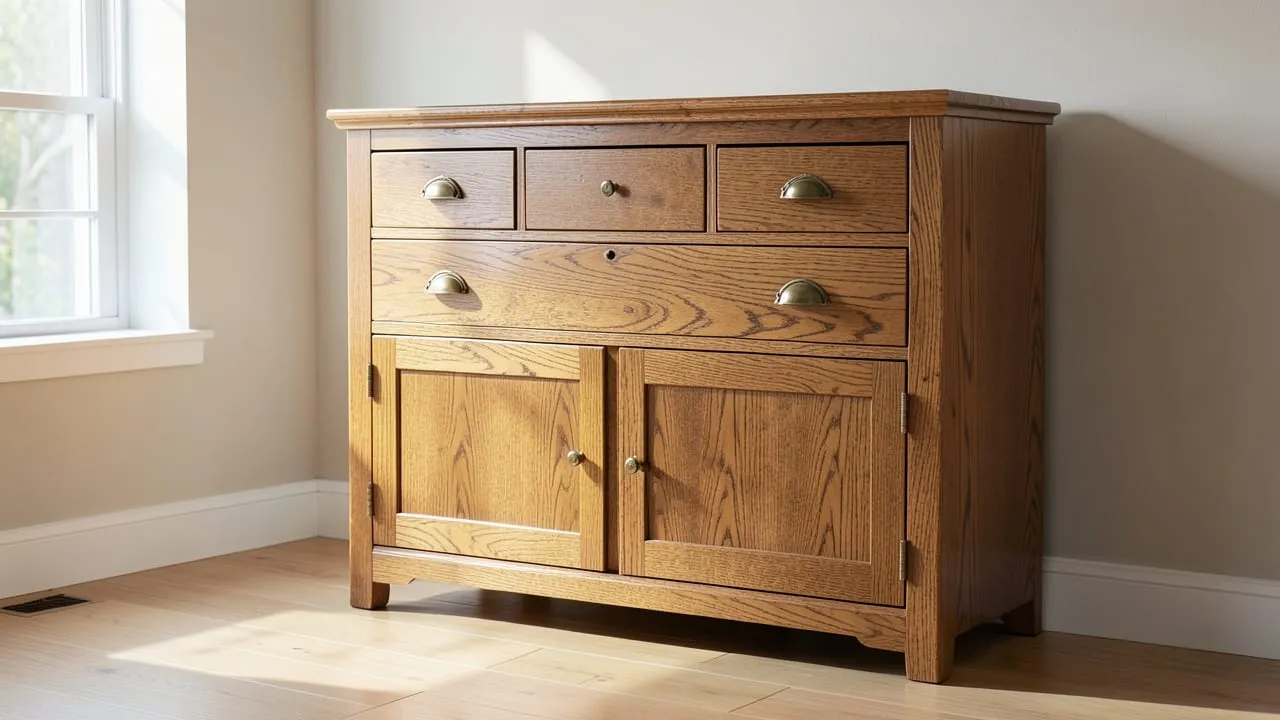
Wood Furniture Mold Remediation in Newport Beach, CA
Professional removal and treatment of mold from wood furniture to restore safety and appearance.
Learn More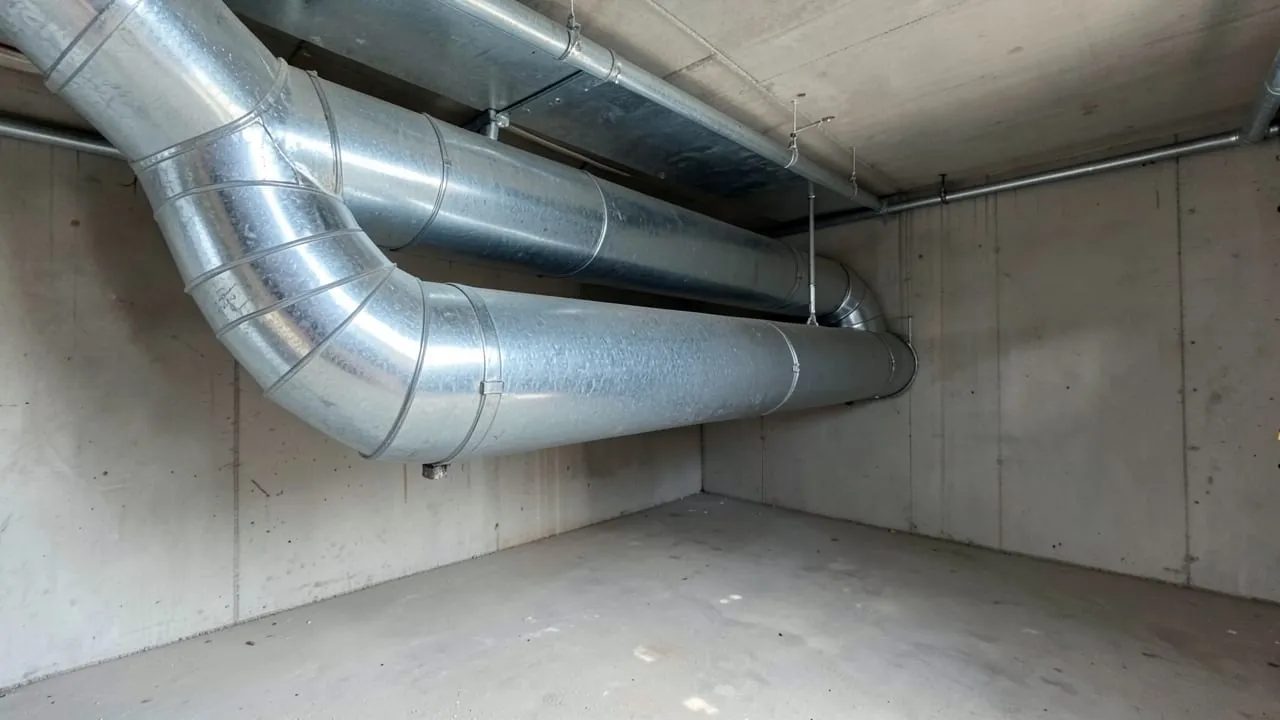
Metal Ductwork Mold Remediation in Newport Beach, CA
Professional removal of mold from metal ductwork to restore indoor air quality.
Learn MoreCommon Questions About Mold Remediation in Newport Beach
Everything you need to know about mold remediation services in Newport Beach
How much does Move-In Mold Assessment typically cost in Newport Beach, CA?
Does coastal humidity around Newport Beach, CA change how mold risk is assessed?
Is it safe to stay in the home during mold remediation?
Can small mold problems be handled without hiring anyone?
What's the actual difference between mold removal and mold remediation?
Is a final clearance test part of a typical mold remediation job?
Need Mold Remediation in Newport Beach?
Connect with local providers in Newport Beach for a detailed quote.
⏰ We answer your call • Serving all of Newport Beach and surrounding areas