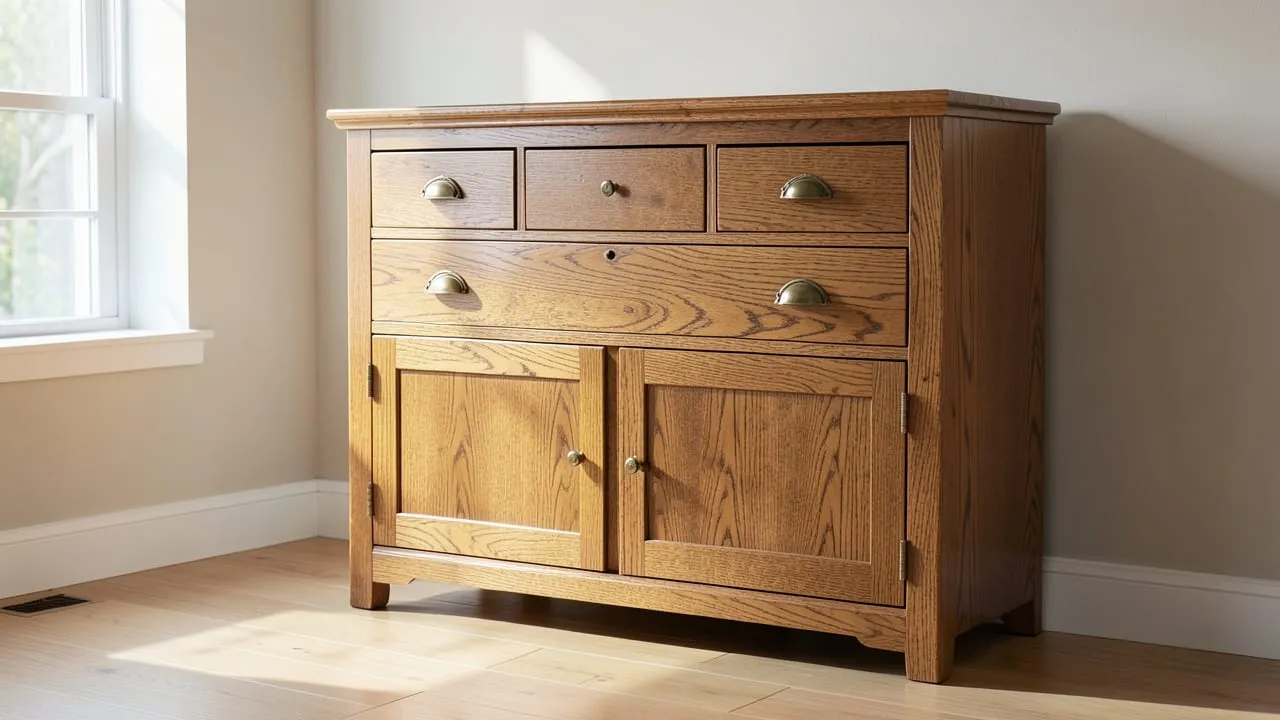
Wood Furniture Mold Remediation
Professional removal and treatment of mold from wood furniture to restore safety and appearance.
Wood furniture mold remediation in Newport Beach addresses fungal growth on porous wooden surfaces, which can spread spores and degrade finishes over time. Unlike surface cleaning, this process involves containment, deep treatment, and moisture control to prevent recurrence while preserving the furniture’s structural integrity.
Proper techniques are essential to avoid cross-contamination and ensure long-term results, especially in humid coastal climates like Orange County’s.
We also handle Stairwell Mold Remediation and Pantry Mold Treatment for Newport Beach properties.
When mold on wood furniture needs professional help
Mold on wood furniture often starts as a small, isolated patch that homeowners can address with cleaning. However, certain signs indicate the problem has progressed beyond DIY solutions. Growth covering more than a small area—especially if it reappears after cleaning—suggests deeper moisture issues or embedded spores.
A musty odor with no visible mold often points to hidden growth, such as behind panels or inside drawers, where spores thrive in damp, stagnant air.
In California, mold remediation on surfaces larger than 25 contiguous square feet typically requires a licensed contractor, as outlined in the Contractors State License Board regulations. This threshold helps distinguish between cleanup tasks homeowners can handle and jobs needing professional containment, treatment, and moisture source resolution.
Ignoring these signs can lead to structural damage, health concerns, and higher costs down the line.
Signs Professional Mold Remediation Is Needed
- Mold covers more than a small, isolated patch (especially over 25 sq. ft. of contiguous growth).
- Visible mold keeps returning in the same spot after cleaning, indicating an unresolved moisture source.
- A musty smell persists in the room with no visible mold, suggesting hidden growth in walls, drawers, or behind furniture.
- Wood furniture shows discoloration, warping, or a soft, crumbly texture from deep mold penetration.
What affects pricing and timeline for wood furniture mold remediation
Pricing for wood furniture mold remediation in Newport Beach varies based on the scope of the job, the extent of mold penetration, and whether additional services—such as refinishing or reupholstering—are required.
Unlike flat-rate pricing, most projects are quoted after an inspection, as factors like furniture size, material type (solid wood vs. veneer), and the need for structural drying or containment can shift costs significantly.
Timelines also depend on whether moisture sources must be addressed, as drying and clearance testing add days to the process.
Remediation crews prioritize containment and HEPA filtration to prevent spores from spreading during the job. If hidden mold is discovered—such as in subflooring or behind cabinetry—the project may expand to include demolition and rebuilding, which further impacts pricing.
Always confirm whether the quote includes inspection, clearance testing, and moisture source resolution, as these steps are critical to preventing recurrence.
| Factor | Impact on Pricing/Timeline |
|---|---|
| Size and number of affected furniture pieces | Larger or multiple pieces increase labor and material costs. |
| Depth of mold penetration (surface vs. embedded) | Deeply embedded mold requires more aggressive treatment or replacement. |
| Need for refinishing or reupholstering | Specialty work by subcontractors adds to the total cost. |
| Moisture source identification and repair | Fixing leaks or grading issues may extend the timeline and require additional labor. |
| Containment and clearance testing requirements | Full-service quotes include these steps, while basic quotes may exclude them. |
Why containment and clearance testing matter
Containment is the first step in professional wood furniture mold remediation, using plastic sheeting and negative-air machines to isolate the work area. Without this barrier, spores stirred up during cleaning can drift into other parts of the home, turning a small job into a widespread contamination issue.
HEPA air scrubbers and vacuums are used throughout the process to capture spores that standard equipment would recirculate, ensuring they don’t settle elsewhere.
Clearance testing, performed by an independent third party, verifies that spore levels return to normal after remediation. This step is often omitted in lower-cost bids but is essential for confirming the job’s effectiveness.
Skipping it leaves homeowners uncertain whether hidden mold remains, risking regrowth within months. In Newport Beach’s humid climate, post-remediation monitoring—such as checking room humidity with a hygrometer—can help catch early signs of recurrence.
How wood furniture mold remediation works
This process balances thorough mold removal with preserving the furniture’s integrity.
- 1Containment Setup
Plastic sheeting and negative-air machines seal off the work area to prevent spores from spreading during removal. This step is critical for protecting unaffected spaces in the home.
- 2Safe Removal and Treatment
Mold-infested wood is cleaned with antimicrobial solutions or, if deeply penetrated, refinished or reupholstered. Porous materials like padding are replaced rather than cleaned, while non-porous surfaces are scrubbed and treated.
- 3HEPA Filtration and Structural Drying
HEPA air scrubbers and vacuums capture spores during the job, and industrial dehumidifiers dry framing and subfloors to prevent moisture-related regrowth.
- 4Clearance Testing
An independent lab tests air or surfaces post-remediation to confirm spore levels are back to normal before containment is removed.
- 5Moisture Source Resolution
Identifying and fixing leaks, condensation, or grading issues is essential—without this, mold can return even after professional cleaning.
Frequently asked questions
Can I save wood furniture after mold remediation, or will it need to be replaced?
Whether wood furniture can be saved depends on how deeply the mold has penetrated. Surface mold often responds to cleaning and refinishing, while embedded growth may require sanding, sealing, or reupholstering. If the wood is structurally compromised—soft, warped, or crumbling—replacement may be the only option to prevent further damage.
How long does the entire remediation process take for wood furniture?
The timeline varies based on the scope, but containment setup, treatment, drying, and clearance testing typically take 2–5 days. If moisture sources or hidden mold are discovered, the job may extend further. Always confirm whether the quote includes all these steps upfront.
Will my furniture smell musty again after remediation if the room stays damp?
Musty odors often return if humidity isn’t controlled post-remediation. Using dehumidifiers or small fans in persistently damp areas—like windowless closets or basements—helps prevent recurrence. Monitoring humidity with a hygrometer can catch early signs of regrowth.
Do I need to leave the house during the remediation process?
While not always required, it’s advisable to minimize time in the home during containment and active treatment. Spores can still be airborne even with HEPA filtration, and some cleaning solutions may have strong fumes. Check with the remediation crew for specific recommendations based on your project.
Where Newport Beach sits, and what the Census lists nearby
Newport Beach sits in California, and the closest places listed in the U.S. Census Gazetteer are Costa Mesa (4.9 miles north), Laguna Beach (8.3 miles southeast), Fountain Valley (8.6 miles northwest), Irvine (8.8 miles northeast).
Within 25 miles of Newport Beach the same source lists 55 distinct incorporated places and census-designated places.
Those figures matter for wood furniture mold remediation because they are straight-line distances between Census coordinate points: road mileage between Newport Beach and Costa Mesa runs longer than the 4.9 miles shown, which is why quotes for the same job differ between towns that look close together on a map.
Source: U.S. Census Bureau Gazetteer.
See Ladera Ranch, CA for more, or find out about our full crew's Newport Beach services step by step for our complete lineup.
Ready to get started?
Talk to a local mold remediation pro in Newport Beach — get a written quote.
Other Mold Remediation Services in Newport Beach
Stairwell Mold Remediation in Newport Beach, CA
Professional mold removal and prevention in stairwells to restore safe, clean spaces.
Learn More
Pantry Mold Treatment in Newport Beach, CA
Professional assessment and removal of mold in pantry areas to restore a safe, clean space.
Learn More
Hallway Mold Remediation in Newport Beach, CA
Professional removal and treatment of mold growth in residential hallways.
Learn More
HOA Mold Remediation in Newport Beach, CA
Professional mold removal and remediation for HOA properties to restore safe, healthy living conditions.
Learn More
Condo Mold Remediation in Newport Beach, CA
Professional removal and treatment of mold in condominiums to restore safe, healthy living spaces.
Learn More
New Construction Mold Remediation in Newport Beach, CA
Professional mold removal and prevention in newly built homes to ensure safe, clean living spaces.
Learn MoreCommon Questions About Mold Remediation in Newport Beach
Everything you need to know about mold remediation services in Newport Beach
How much does Wood Furniture Mold Remediation typically cost in Newport Beach, CA?
Does coastal humidity around Newport Beach, CA change how mold risk is assessed?
What's the actual difference between mold removal and mold remediation?
Is a final clearance test part of a typical mold remediation job?
How does mold remediation actually prevent the problem from coming back?
Can mold growing inside HVAC ductwork spread to the rest of a home?
Need Mold Remediation in Newport Beach?
Connect with local providers in Newport Beach for a detailed quote.
⏰ We answer your call • Serving all of Newport Beach and surrounding areas