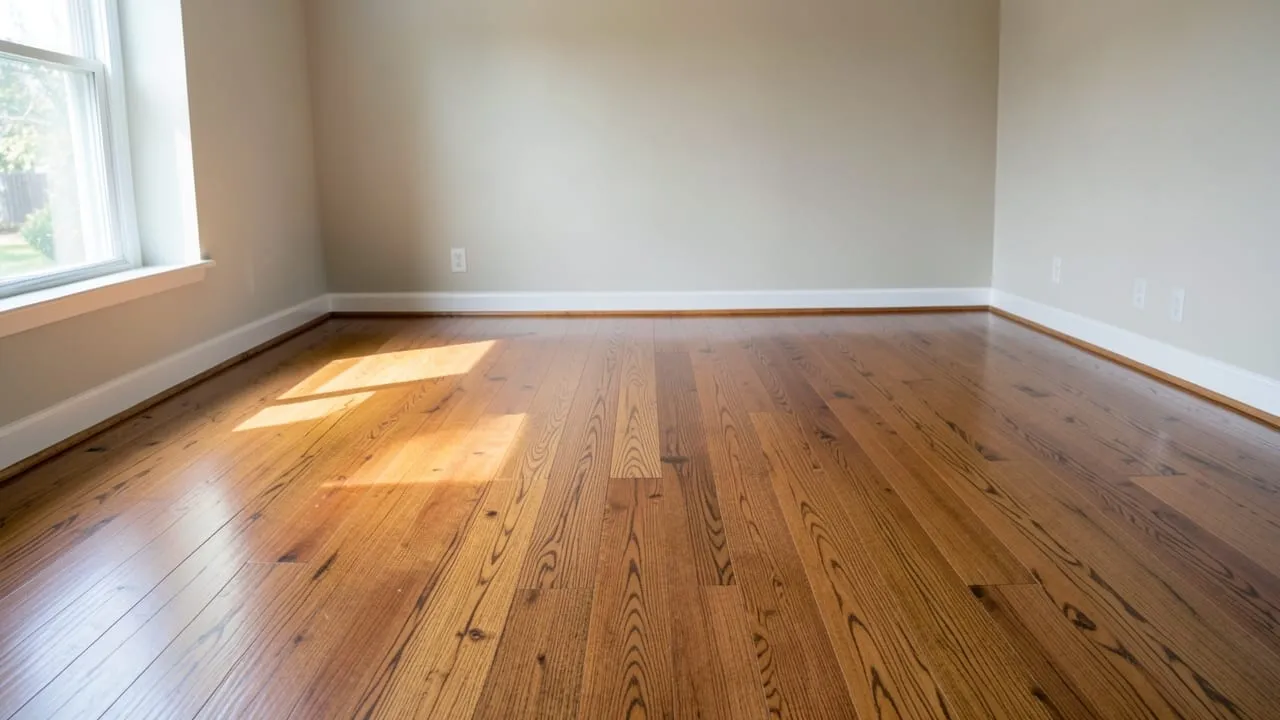
Flood Damage Mold Remediation
Professional mold removal and remediation after flood damage in homes.
Flood damage in Newport Beach homes often leads to hidden mold growth in walls, basements, and under flooring. Proper mold remediation involves containment, safe removal of contaminated materials, and addressing moisture sources to prevent regrowth.
This process uses HEPA filtration and clearance testing to ensure spores are contained and the space is restored to a normal environment.
We also handle Glass Window Mold Removal and Brick Masonry Mold Treatment for Newport Beach properties.
When to call for mold remediation
Mold growth after a flood can spread quickly, especially in hidden areas. If mold covers more than a small patch (typically over 25 square feet), keeps returning after cleaning, or is accompanied by a musty smell, it’s time to call a professional.
Hidden growth—like behind walls or in ductwork—often signals a larger problem that requires expert removal and moisture control.
A musty odor with no visible mold, or mold that reappears in the same spot, usually means the moisture source hasn’t been fixed. Without addressing leaks, condensation, or grading issues, remediation efforts may only be temporary. Professional remediation includes fixing these underlying problems to help prevent recurrence.
Signs You Need Professional Mold Remediation
- Mold covers more than 25 square feet of a surface (California’s threshold for requiring a licensed contractor).
- Mold keeps returning in the same spot after cleaning, suggesting a hidden moisture source.
- You notice a musty smell with no visible mold, or the smell worsens when the HVAC system runs.
- You see mold in multiple rooms or hidden areas (walls, ceilings, under flooring).
- The mold is black or dark green, which often indicates a more aggressive species like *Stachybotrys chartarum*.
What affects the cost of flood damage mold remediation?
The cost of mold remediation depends on the size of the affected area, the type of mold, and the extent of damage. Flood damage often requires removing porous materials like drywall and insulation, which increases labor and disposal costs.
Additional factors include the need for containment, HEPA filtration, structural drying, and clearance testing—all of which are critical to ensuring the job is done safely and effectively.
Black mold cases typically add 15–25% to the cost due to stricter containment and disposal requirements. Pricing also varies based on whether the moisture source is fixed during the job, as skipping this step can lead to regrowth and the need for repeat work.
Questions to ask before hiring a mold remediation service
Not all mold remediation services follow the same standards, and hidden costs or shortcuts can turn a small job into a much larger (and more expensive) problem. Asking the right questions upfront helps you compare bids accurately and avoid surprises later.
Look for clear answers about containment, testing, and whether the moisture source will be addressed.
Avoid services that rush you into signing a contract or skip critical steps like clearance testing. A legitimate remediation includes containment, HEPA filtration, structural drying, and independent verification that the mold is gone. Without these, there’s no way to confirm the job was fully effective.
| Question to Ask | Red Flag If... |
|---|---|
| Does the estimate include inspection, testing, remediation, and clearance testing? | The answer excludes containment or clearance testing. |
| Is a written scope of work provided before any work starts? | There’s no itemized list of what’s included. |
| Does the quote specify the square footage or area being treated? | The estimate uses vague terms like ‘affected area’. |
| Will a third-party lab test verify clearance after the work? | The answer mentions only ‘visual inspection’ or no testing at all. |
| Does the quote separate remediation from fixing the moisture source? | The answer lumps everything together without addressing leaks or humidity. |
How flood damage mold remediation works
Professional remediation follows a structured process to safely remove mold and prevent regrowth.
- 1Containment Setup
Plastic sheeting and negative-air machines seal off the work area to prevent spores from spreading. This step is critical before any materials are disturbed, as it keeps airborne spores from migrating into unaffected rooms.
- 2Removal of Contaminated Materials
Porous materials like drywall, insulation, and carpet padding—where mold has grown into the material—are cut out and bagged inside containment. Non-porous surfaces like framing or tile are cleaned and treated instead of discarded.
- 3HEPA Filtration and Cleanup
HEPA-filtered air scrubbers run continuously during the job, and surfaces are vacuumed with HEPA-equipped tools to capture spores. Standard shop vacuums or non-HEPA filters recirculate spores, making them ineffective.
- 4Structural Drying
Industrial dehumidifiers and air movers dry framing and subfloors to normal moisture levels. Mold regrows on damp materials, so this step helps ensure the space stays clear after remediation.
- 5Clearance Testing
An independent lab tests air or surfaces after remediation to confirm spore counts are back to normal levels. This step verifies the job was fully effective before containment is removed.
Frequently asked questions
How do I know if the mold is from a flood or just humidity?
Mold from floods often appears in areas directly affected by water, such as basements, crawl spaces, or under flooring. If the growth is widespread, hidden, or accompanied by a musty smell that worsens with the HVAC running, it’s likely linked to moisture from the flood. Humidity-related mold is usually more isolated and tied to specific damp areas like bathrooms or kitchens.
Can I clean up mold myself if it’s a small area?
Small patches (under 25 square feet) can sometimes be cleaned with detergent, water, and a HEPA vacuum, but only if the mold isn’t black or hidden. Flood damage often means mold is hidden in walls or under flooring, making DIY efforts ineffective. If in doubt, professional remediation is safer and more thorough.
Why does the quote say the cost varies per square foot? What’s included?
The cost per square foot accounts for labor, materials, containment, HEPA filtration, drying, and clearance testing—all of which are necessary for safe and effective remediation. Flood damage may require removing entire walls or flooring, which increases the cost beyond surface cleaning. A full quote should specify what’s included to avoid surprises.
What should I do if mold keeps coming back after remediation?
Recurring mold usually means the moisture source wasn’t fixed. Check for leaks, poor ventilation, or grading issues around the foundation. A professional can inspect these areas and recommend long-term solutions, such as improving airflow, installing dehumidifiers, or repairing structural damage.
Where Newport Beach sits, and what the Census lists nearby
Newport Beach sits in California, and the closest places listed in the U.S. Census Gazetteer are Costa Mesa (4.9 miles north), Laguna Beach (8.3 miles southeast), Fountain Valley (8.6 miles northwest), Irvine (8.8 miles northeast).
Within 25 miles of Newport Beach the same source lists 55 distinct incorporated places and census-designated places.
Those figures matter for flood damage mold remediation because they are straight-line distances between Census coordinate points: road mileage between Newport Beach and Costa Mesa runs longer than the 4.9 miles shown, which is why quotes for the same job differ between towns that look close together on a map.
Source: U.S. Census Bureau Gazetteer.
See San Juan Capistrano, CA for more, or explore what's included in our Newport Beach service in full for our complete lineup.
Ready to get started?
Talk to a local mold remediation pro in Newport Beach — get a written quote.
Other Mold Remediation Services in Newport Beach

Glass Window Mold Removal in Newport Beach, CA
Professional removal of mold from glass windows and frames to restore clarity and prevent spread.
Learn More
Brick Masonry Mold Treatment in Newport Beach, CA
Professional mold treatment and removal from brick masonry to restore structural integrity and indoor air quality.
Learn More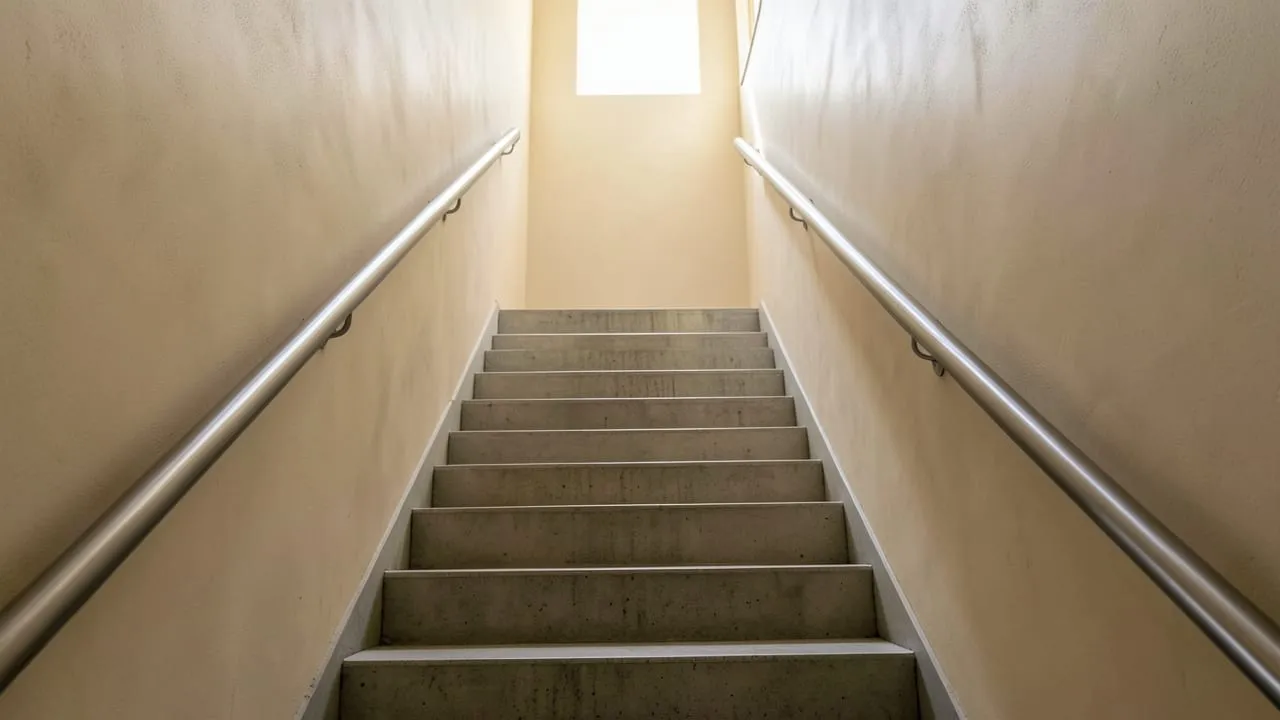
Stairwell Mold Remediation in Newport Beach, CA
Professional mold removal and prevention in stairwells to restore safe, clean spaces.
Learn More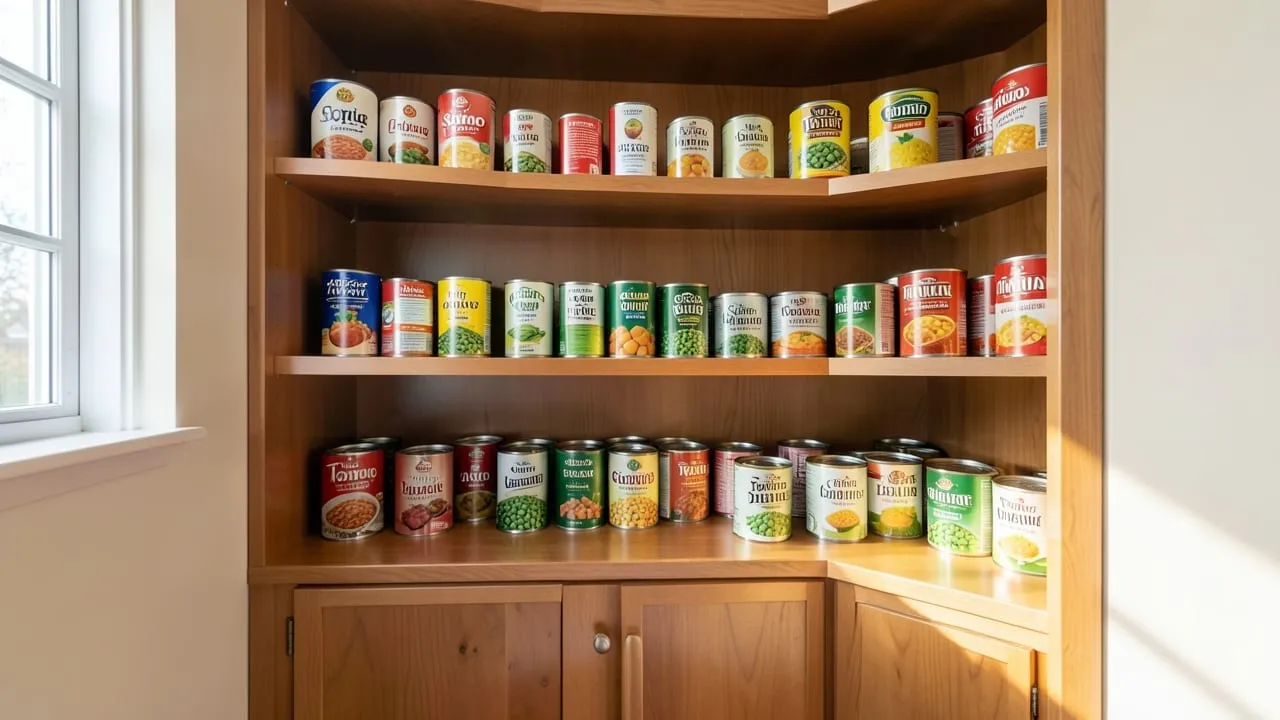
Pantry Mold Treatment in Newport Beach, CA
Professional assessment and removal of mold in pantry areas to restore a safe, clean space.
Learn More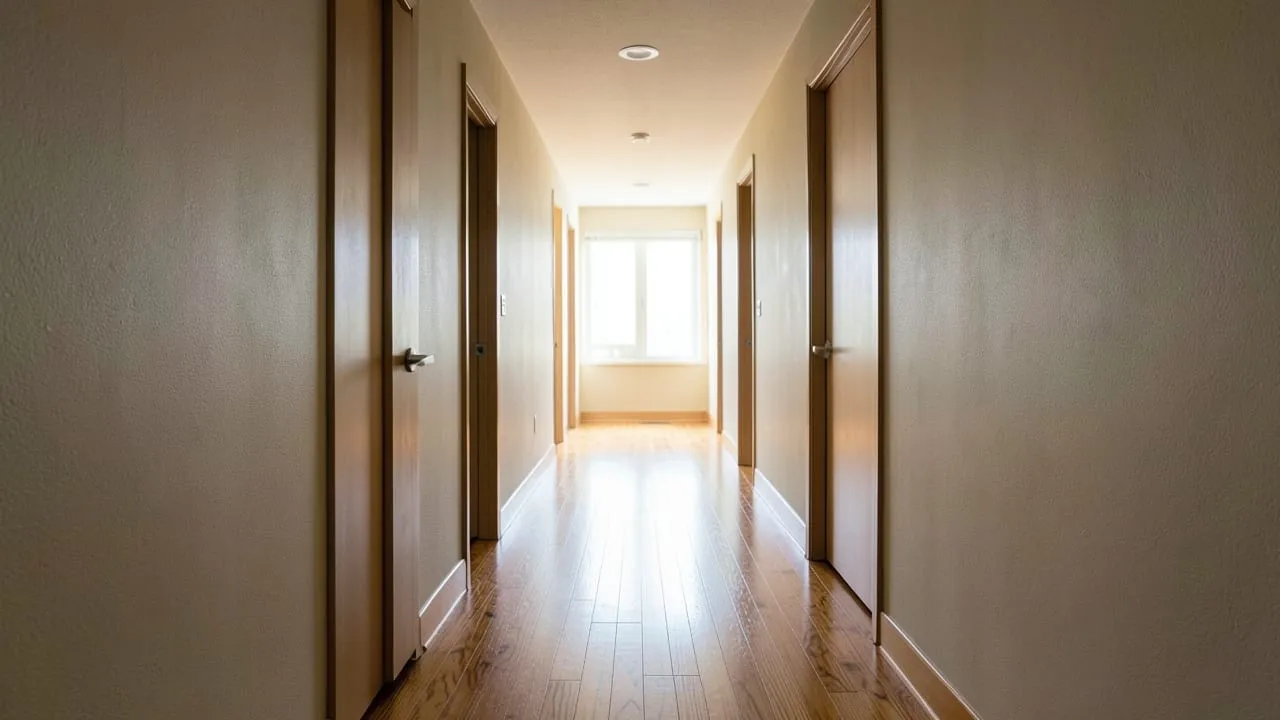
Hallway Mold Remediation in Newport Beach, CA
Professional removal and treatment of mold growth in residential hallways.
Learn More
HOA Mold Remediation in Newport Beach, CA
Professional mold removal and remediation for HOA properties to restore safe, healthy living conditions.
Learn MoreCommon Questions About Mold Remediation in Newport Beach
Everything you need to know about mold remediation services in Newport Beach
How much does Flood Damage Mold Remediation typically cost in Newport Beach, CA?
Does coastal humidity around Newport Beach, CA change how mold risk is assessed?
Is it safe to stay in the home during mold remediation?
Can small mold problems be handled without hiring anyone?
What's the actual difference between mold removal and mold remediation?
Is a final clearance test part of a typical mold remediation job?
Need Mold Remediation in Newport Beach?
Connect with local providers in Newport Beach for a detailed quote.
⏰ We answer your call • Serving all of Newport Beach and surrounding areas