Safety First: PPE and Protocols for Mold Remediation in Newport Beach
Mold remediation isn’t just about removing the problem—it’s about doing it safely. In coastal areas like ours, humidity and water damage create perfect conditions for mold growth, but improper handling can spread spores and expose your household to serious health risks. We follow strict PPE and containment protocols to ensure every job is done right, from Costa Mesa to Laguna Beach.
Why PPE Is Non-Negotiable in Mold Remediation
Mold spores are microscopic and easily airborne. Without proper PPE, remediation teams risk inhaling or ingesting spores, which can trigger allergies, respiratory issues, or long-term health problems.
Even dead mold can release toxins. That’s why our team uses full-body protection—not just gloves and masks—to prevent cross-contamination during every phase, from inspection to removal.
Essential PPE for Professional Mold Remediation
Respiratory protection is the first line of defense. We use N95 or P100 respirators (or half-face/full-face respirators for high-exposure areas) to filter out mold spores and mycotoxins.
Disposable coveralls, preferably Tyvek, create a barrier between the worker and contaminated surfaces. These are discarded after each job to prevent spore transfer to clean areas.
Nitrile gloves, safety goggles (or full-face shields), and rubber boots complete the ensemble. In crawl spaces or attics—common problem zones in Irvine and Huntington Beach—we add knee pads and hard hats for safety.
| Task | Respirator | Body Protection | Additional Gear |
|---|---|---|---|
| Mold Inspection | N95 | Disposable coveralls | Gloves, goggles |
| Containment Setup | P100 or half-face | Tyvek suit | Gloves, goggles, boot covers |
| Active Remediation (Small Areas <10 sq ft) | N95 | Tyvek suit | Gloves, goggles, boot covers |
| Active Remediation (Large Areas >10 sq ft) | Full-face respirator | Tyvek suit with hood | Gloves, goggles, boot covers, hard hat |
| HEPA Vacuuming | P100 | Tyvek suit | Gloves, goggles |
| Post-Remediation Air Quality Testing | N95 | Clean coveralls | Gloves, goggles |
Containment: The Invisible Shield Against Spore Spread
Physical barriers are critical. We use 6-mil polyethylene sheeting to seal off work areas, creating a containment zone. This prevents spores from migrating to unaffected parts of your home during remediation.
For larger infestations, we deploy negative air pressure systems. These machines pull air *out* of the containment area, filtering it through HEPA filters before release. This is especially vital in multi-story homes or commercial spaces in Newport Beach.
Skipping containment can turn a localized mold issue into a whole-house problem. DIY attempts often spread spores further—leave this to professionals with the right equipment.
Air Filtration and HEPA Technology
HEPA (High-Efficiency Particulate Air) filters capture 99.97% of particles as small as 0.3 microns—including mold spores. We use HEPA vacuums and air scrubbers to clean surfaces and purify air during and after remediation.
In attics or crawl spaces, where ventilation is poor, we run air scrubbers continuously. This is common in older homes in Laguna Beach or Costa Mesa, where moisture builds up unnoticed.
Moisture Control: The Key to Long-Term Prevention
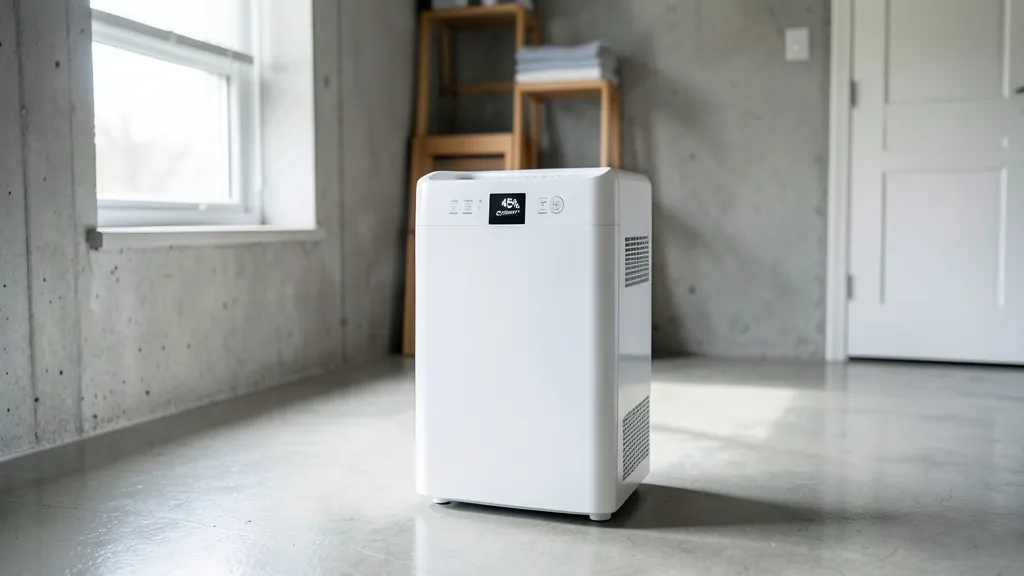
Mold can’t grow without moisture. After removal, we identify and address the source—whether it’s a leaky pipe, poor ventilation, or high humidity. Dehumidifiers and moisture barriers are often part of the solution.
In basements or crawl spaces, we may install vapor barriers or recommend sump pumps. For attics, proper insulation and ventilation prevent condensation, a frequent issue in our coastal climate.
Post-Remediation Moisture Control Checklist
- Fix all leaks (roof, pipes, windows)
- Improve ventilation in bathrooms, kitchens, and laundry rooms
- Use dehumidifiers in high-moisture areas (keep humidity below 50%)
- Inspect and clean gutters and downspouts regularly
- Ensure proper grading around the home’s foundation
When to Call in the Pros: Red Flags for Homeowners
If mold covers more than 10 square feet, or if it’s in your HVAC system, it’s time to call us. DIY cleanups can disturb spores and worsen the problem, especially in hidden areas like ductwork or behind drywall.
Health symptoms—persistent coughing, headaches, or skin irritation—can indicate hidden mold. We’ve seen this often in water-damaged homes in Huntington Beach after heavy winter rains.
Check under sinks, behind appliances, and in basements or crawl spaces. Mold thrives in dark, damp areas—often out of sight until it’s a major issue.
Local Considerations: Newport Beach’s Unique Challenges
Our coastal climate means higher humidity, especially in summer. Homes near the Back Bay or Balboa Peninsula are prone to moisture issues from ocean air and flooding.
Older homes in neighborhoods like Corona del Mar or Lido Isle often have poor ventilation in attics or crawl spaces, making them mold magnets. We tailor our approach to these local conditions.
How to Prepare Your Home for Professional Mold Remediation
A few simple steps can help us work efficiently and safely.
- 1Clear the Area
Remove furniture, rugs, and personal items from the affected space. This allows us to set up containment and access all surfaces.
- 2Turn Off HVAC Systems
Prevent spores from spreading through your home’s ventilation. We’ll advise you on when it’s safe to turn them back on.
- 3Seal Off Adjacent Rooms
Close doors and cover doorways with plastic sheeting if possible. This helps contain spores to the work zone.
- 4Communicate Health Concerns
Let us know if anyone in the household has allergies, asthma, or immune issues. We may adjust our protocols for added safety.
- 5Plan for Temporary Relocation
For large infestations, especially in living areas, we recommend staying elsewhere during remediation. We’ll provide a timeline so you can plan accordingly.
Frequently Asked Questions
Is mold remediation safe for my family and pets in Newport Beach?
Yes, when done by professionals with proper PPE and containment. We use industry-standard protocols to minimize exposure, and we’ll advise you on when it’s safe to return home. Pets should also be kept away during the process.
How long does mold remediation take?
It depends on the size and location of the mold. Small, contained areas may take a day, while large or hidden infestations (like in crawl spaces or attics) can take several days. We’ll provide a timeline after inspection.
Can I stay in my home during mold remediation?
For minor mold issues in isolated areas (e.g., a bathroom), you may be able to stay. For larger or more toxic mold problems, we recommend temporary relocation. Safety is our top priority.
What’s the difference between mold removal and mold remediation?
Mold removal is just that—removing visible mold. Remediation goes further: it includes identifying the moisture source, containing spores, cleaning affected areas, and preventing regrowth. We always recommend full remediation for long-term results.
Do you handle mold in commercial properties in Newport Beach?
Yes, we specialize in both residential and commercial mold remediation. Offices, retail spaces, and multi-unit buildings often have unique challenges, like HVAC contamination or large-scale water damage. We’re equipped to handle them all.
How do I know if mold is toxic?
Not all mold is toxic, but some—like Stachybotrys (black mold)—can produce mycotoxins harmful to health. The only way to know for sure is through professional mold testing and air quality testing. We can perform these tests to identify the type and extent of mold in your home.