Why Dehumidifiers Are Essential for Newport Beach Homeowners
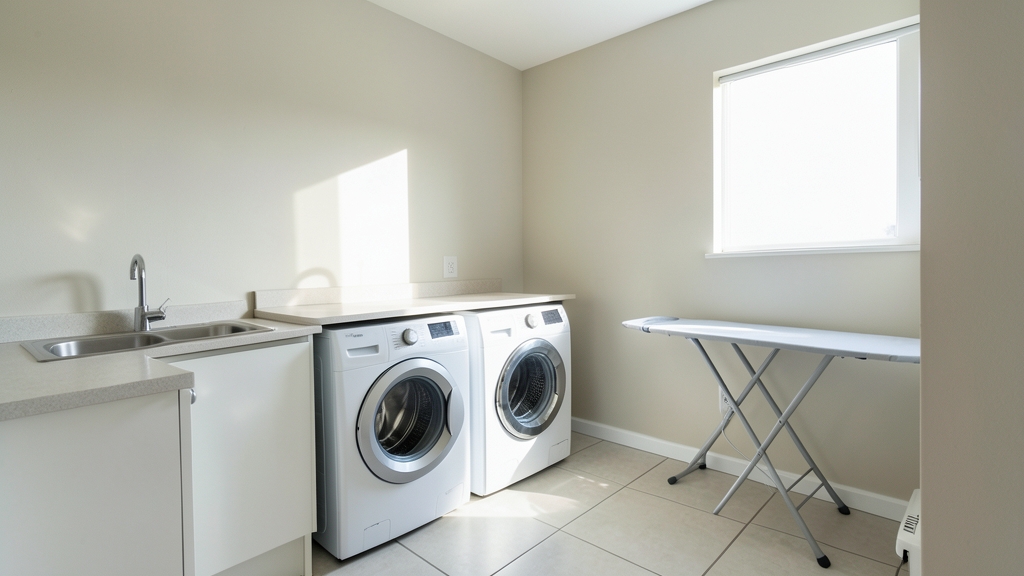
Newport Beach’s coastal humidity creates the perfect breeding ground for mold. Without proper moisture control, hidden spores can take hold in walls, attics, or crawl spaces. We’ve seen firsthand how dehumidifiers break this cycle before mold remediation becomes necessary.
How Coastal Humidity Fuels Mold Growth
Our mild winters and marine layer keep indoor humidity elevated year-round. When relative humidity exceeds 60%, mold spores absorb moisture and begin colonizing organic surfaces like wood, drywall, and insulation.
Homes near Back Bay or the harbor often face worse conditions due to proximity to water. Even well-maintained properties in Corona del Mar or Balboa Peninsula can develop issues if moisture isn’t actively managed.
The Role of Dehumidifiers in Mold Prevention
Dehumidifiers extract excess moisture from the air, maintaining levels below 50%—the threshold where mold struggles to grow. Portable units work well for basements or small spaces, while whole-house systems integrate with HVAC for comprehensive control.
In attic mold remediation, we often install dedicated dehumidifiers to prevent recurrence after addressing the initial outbreak. The same applies to crawl space encapsulation projects in older homes.
Place dehumidifiers near moisture hotspots like laundry rooms, bathrooms, or areas with past water damage. Empty the reservoir daily or opt for a model with continuous drainage.
Dehumidifiers vs. Air Purifiers: What’s the Difference?
While air purifiers capture airborne mold spores, they don’t address the root cause: excess moisture. Dehumidifiers tackle the environment that allows mold to thrive in the first place.
For best results, we recommend using both in tandem—especially in high-risk areas like Irvine or Huntington Beach, where indoor air quality is a year-round concern.
| Feature | Dehumidifier | Air Purifier |
|---|---|---|
| Primary Function | Reduces humidity | Filters airborne particles |
| Target | Moisture in air | Mold spores, dust, allergens |
| Prevents Mold Growth? | Yes (by lowering humidity) | No (only removes existing spores) |
| Best For | Basements, crawl spaces, attics | Living areas, bedrooms |
| Maintenance | Empty reservoir, clean filter | Replace filters regularly |
Signs Your Newport Beach Home Needs a Dehumidifier
Musty odors, condensation on windows, or peeling paint are red flags. So are visible mold spots or a persistent damp feeling in certain rooms.
In coastal homes, we often find hidden moisture in crawl spaces or behind walls after water damage restoration. A dehumidifier can prevent these issues from escalating.
Warning Signs of Excess Moisture
- Musty or earthy smells, especially in basements or attics
- Condensation on windows or pipes
- Peeling paint or wallpaper
- Warped wood floors or furniture
- Allergy symptoms that worsen indoors
Choosing the Right Dehumidifier for Your Space
Capacity matters: a 30-pint unit suits a damp basement, while a 70-pint model may be needed for whole-house coverage. Look for efficiency certifications to balance performance and savings.
For crawl space mold remediation, we prefer commercial-grade dehumidifiers with built-in pumps for continuous drainage. These units handle the heavy lifting in tight, humid spaces.
Measure the square footage of the area and match it to the dehumidifier’s coverage rating. For example, a 1,500 sq. ft. space typically needs a 50-pint unit.
Where Mold Hides in Newport Beach Homes
Attics are prime targets due to poor ventilation and roof leaks. We’ve remediated countless attics in Laguna Beach and Costa Mesa where trapped moisture led to extensive mold colonies.
Crawl spaces and basements are equally vulnerable, especially in older homes without vapor barriers. Even a small water intrusion can spiral into a major problem without dehumidification.
Long-Term Moisture Control Strategies
Dehumidifiers are just one part of the solution. Proper ventilation, sealing leaks, and using moisture-resistant materials in renovations are key to preventing mold recurrence.
In commercial mold remediation, we often install industrial dehumidifiers alongside HVAC upgrades. The same principles apply to residential properties, just on a smaller scale.
How to Use a Dehumidifier for Mold Prevention
Follow these steps to maximize your dehumidifier’s effectiveness in preventing mold growth.
- 1Assess Your Space
Identify high-moisture areas like basements, attics, or bathrooms. Use a hygrometer to measure humidity levels—aim for below 50%.
- 2Choose the Right Unit
Select a dehumidifier with the appropriate capacity for your space. For example, a 50-pint unit covers about 1,500 sq. ft.
- 3Position It Strategically
Place the dehumidifier in the center of the room or near moisture sources. Ensure proper airflow and avoid blocking vents.
- 4Set the Humidity Level
Adjust the dehumidifier to maintain humidity between 30-50%. Use the auto-mode feature if available for hands-off operation.
- 5Maintain Regularly
Empty the reservoir daily or set up continuous drainage. Clean the filter monthly and check for mold buildup inside the unit.
Frequently Asked Questions
Can a dehumidifier remove existing mold?
No, dehumidifiers only prevent mold by controlling moisture. For existing mold, you’ll need professional mold remediation. We often use dehumidifiers after removal to prevent regrowth.
How often should I run my dehumidifier in Newport Beach?
Run it continuously during humid months (typically spring through fall). In winter, use it as needed—our coastal climate can still trap moisture indoors even when it’s cooler.
Are dehumidifiers effective in crawl spaces?
Yes, but they must be specifically designed for crawl spaces. These units are built to handle lower temperatures and high humidity. We recommend models with a built-in pump for automatic drainage.
What’s the difference between a dehumidifier and a humidifier?
A dehumidifier removes moisture from the air, while a humidifier adds moisture. In Newport Beach, dehumidifiers are far more common due to our naturally humid climate.
Do dehumidifiers help with allergies?
Yes. By reducing humidity, they inhibit mold and dust mites—two major indoor allergens. Many of our clients in Irvine and Laguna Beach report fewer allergy symptoms after installing dehumidifiers.
Can I use a dehumidifier after water damage?
Absolutely. After water damage restoration, a dehumidifier helps dry out the area and prevents secondary mold growth. We always include this step in our remediation process.