Mold vs. Mildew in Your Bathroom: Hidden Risks and What to Do in Newport Beach
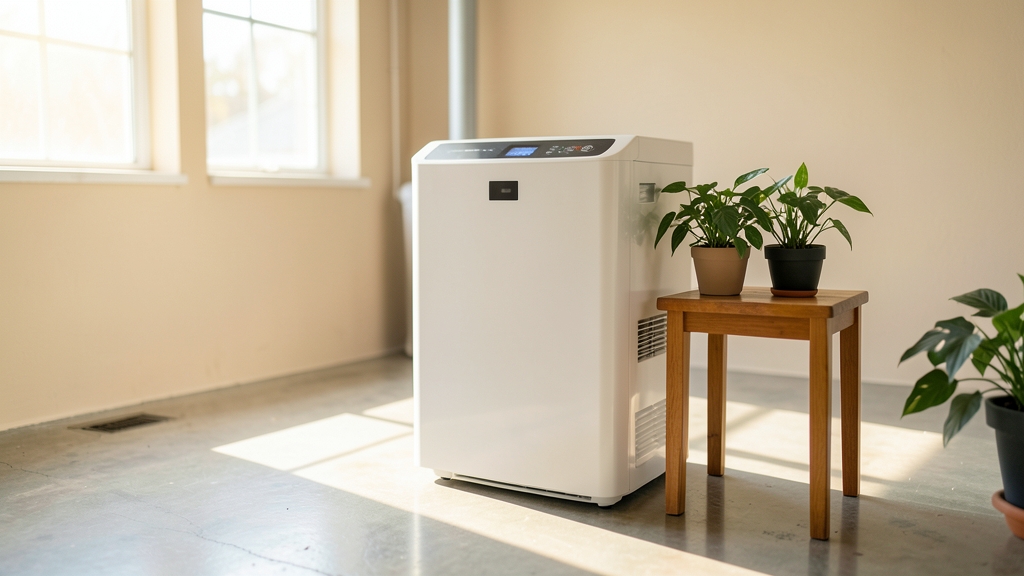
Bathrooms in coastal areas like Newport Beach are prime targets for mold and mildew growth. While both thrive in damp, humid spaces, they pose very different risks to your home and health. We break down how to spot them, why they spread, and what to do next.
Mold vs. Mildew: The Core Differences
Mold is a fungus that penetrates surfaces, often appearing fuzzy or slimy in black, green, or brown. It can grow on drywall, wood, and even tile grout if moisture is present.
Mildew, a type of mold, stays surface-level and looks powdery or white. It’s easier to clean but still signals excess humidity—common in bathrooms without proper ventilation.
| Feature | Mold | Mildew |
|---|---|---|
| Appearance | Fuzzy, slimy, or patchy; black, green, brown | Powdery or downy; white, gray, or yellow |
| Growth Depth | Penetrates porous materials | Surface-level only |
| Health Risk | High (respiratory issues, allergies, mycotoxins) | Moderate (allergies, irritation) |
| Removal Difficulty | Often requires professional remediation | Can be cleaned with bleach or vinegar (if caught early) |
| Common Locations | Walls, ceilings, under sinks, crawl spaces, attics | Shower walls, grout, caulk, fabric |
Why Newport Beach Bathrooms Are High-Risk
Our coastal climate means higher humidity year-round, especially in summer. Poor ventilation traps moisture, creating the perfect breeding ground for both mold and mildew.
Older homes in neighborhoods like Balboa Peninsula or Lido Isle often lack modern exhaust fans, worsening the problem. Even newer builds in Irvine or Costa Mesa can suffer if ventilation is inadequate.
If you see discoloration or smell a musty odor, act fast. Mold can spread within 24-48 hours of water exposure, and mildew can become a persistent issue if not addressed.
Health Risks You Can’t Afford to Overlook
Mold releases spores and mycotoxins that trigger allergies, asthma, and respiratory infections. Long-term exposure can lead to chronic sinusitis or even neurological symptoms in severe cases.
Mildew is less harmful but can still cause coughing, sore throats, and skin irritation. Both are especially dangerous for children, the elderly, or anyone with compromised immune systems.
Where to Look for Hidden Growth
Check under sinks, behind toilets, and around shower enclosures—especially in grout lines. Mold often hides in less obvious spots like ceiling corners or inside wall cavities from slow leaks.
In attics or crawl spaces, poor insulation or roof leaks can create unseen mold colonies. We’ve seen this often in homes near Huntington Beach and Laguna Beach, where ocean air accelerates moisture buildup.
Common Bathroom Mold Hotspots
- Shower grout and caulk
- Under the sink cabinet
- Ceiling corners (from steam)
- Exhaust fan housing (if clogged)
- Wallpaper or painted surfaces (peeling or bubbling)
- Baseboards and trim
DIY Cleaning vs. Professional Remediation
Surface mildew can often be scrubbed away with a vinegar solution or hydrogen peroxide. But if mold has infiltrated drywall or wood, DIY methods won’t cut it—you risk spreading spores further.
For mold covering more than 10 square feet, or in HVAC systems, crawl spaces, or attics, call professionals. We use HEPA air scrubbers, containment barriers, and antimicrobial treatments to ensure safe, thorough removal.
Never use a regular vacuum on moldy areas—it can aerosolize spores. If cleaning yourself, wear an N95 mask and gloves, and ventilate the area well.
The Role of Moisture Control in Prevention
Fixing leaks, improving ventilation, and using dehumidifiers are critical. In Newport Beach, we recommend exhaust fans rated for bathroom moisture loads—especially in master baths with high-use showers.
For chronic issues, consider a whole-home humidity control system. This is particularly useful in areas like Costa Mesa, where inland humidity can still cause problems.
When to Call in the Experts
If you suspect hidden mold, have recurring issues, or notice health symptoms, it’s time for a professional mold inspection and air quality testing. We use thermal imaging and moisture meters to detect what’s not visible.
Commercial properties or multi-unit buildings in Irvine or Huntington Beach often need large-scale remediation. Our team handles containment, removal, and prevention to ensure the problem doesn’t return.
How to Prevent Bathroom Mold and Mildew
Consistent habits and small fixes can save you from costly remediation later.
- 1Improve Ventilation
Run the exhaust fan for at least 20 minutes after showering. If your bathroom lacks one, install a fan rated for the room’s square footage.
- 2Wipe Down Surfaces
After each use, dry shower walls, sinks, and faucets with a towel to remove excess moisture.
- 3Use a Dehumidifier
Keep humidity below 50% with a dehumidifier, especially in windowless bathrooms or during humid months.
- 4Inspect Regularly
Check for leaks, peeling paint, or musty odors weekly. Address caulk or grout cracks immediately—they’re entry points for water.
- 5Clean with Mold-Inhibiting Products
Use solutions like Concrobium or vinegar for routine cleaning. Avoid bleach on porous surfaces—it doesn’t kill the roots.
Frequently Asked Questions
Can I paint over mold in my Newport Beach bathroom?
No. Painting over mold only hides the problem—it will continue to grow underneath. Clean and dry the area thoroughly first, or remove the affected material if the mold has penetrated deeply. For severe cases, professional remediation is necessary.
How do I know if my bathroom has mold or just dirt?
Mold often appears as black, green, or brown spots that spread over time and have a musty smell. Dirt is usually uniform in color and doesn’t grow or change shape. If unsure, a mold inspection with air quality testing can confirm.
Is mildew in my shower dangerous?
While less harmful than mold, mildew can still cause allergies and respiratory irritation. It’s also a sign of excess moisture, which can lead to mold if left unchecked. Clean it promptly and address the humidity issue.
Why does mold keep coming back in my bathroom?
Recurring mold usually means a persistent moisture source—like a hidden leak, poor ventilation, or high humidity. Fixing the root cause (e.g., repairing a leaky pipe or installing a better exhaust fan) is key to prevention.
Do I need mold testing if I can already see mold?
Visible mold doesn’t always require testing, but it’s useful for identifying the type and extent of the problem, especially if you suspect hidden growth. Air quality testing can also reveal spores in areas like crawl spaces or attics that aren’t visible.
Can mold in my bathroom affect other parts of my home?
Yes. Mold spores can travel through HVAC systems or air currents, spreading to other rooms, attics, or even crawl spaces. Containment and proper remediation are critical to prevent cross-contamination.