How HEPA Filtration Ensures Safe Mold Removal in Newport Beach
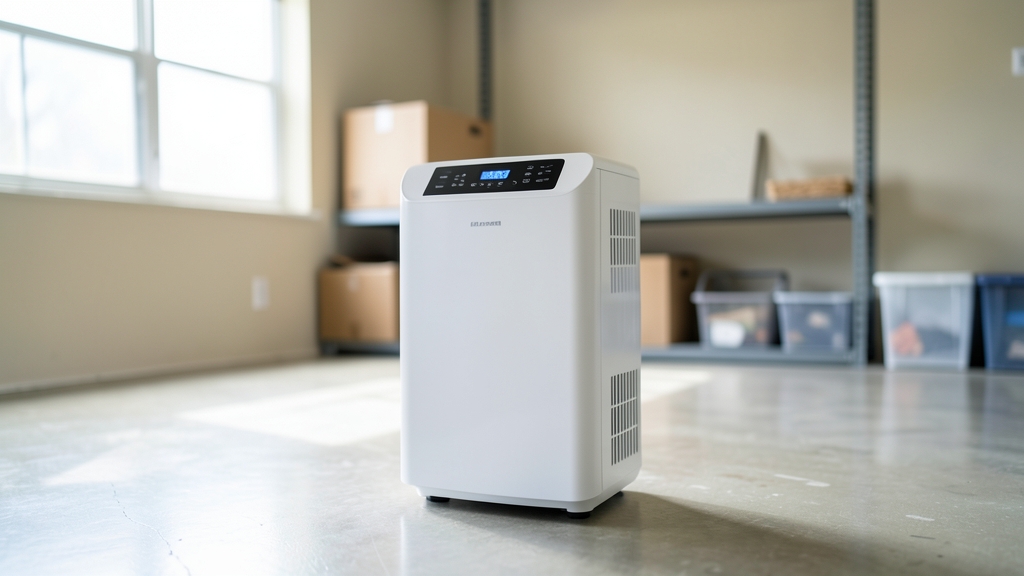
Mold spores are microscopic and highly mobile, making them a persistent threat during remediation. Without proper filtration, these particles can spread, contaminating clean areas and compromising indoor air quality. HEPA filtration is the gold standard for capturing spores and ensuring safe, effective mold removal.
Why HEPA Filtration Is Non-Negotiable in Mold Remediation
HEPA (High-Efficiency Particulate Air) filters capture 99.97% of particles as small as 0.3 microns—including mold spores. Standard filters simply can’t match this efficiency, leaving your home vulnerable to reinfestation.
During remediation, disturbing mold colonies releases spores into the air. HEPA filtration in air scrubbers and vacuums prevents these spores from settling elsewhere, protecting both your property and our team.
How Coastal Humidity in Newport Beach Fuels Mold Growth
Newport Beach’s coastal climate creates ideal conditions for mold. High humidity, especially in basements, crawl spaces, and attics, accelerates spore growth on organic materials like wood and drywall.
Even minor water intrusion from storms or plumbing leaks can trigger outbreaks. Without moisture control, mold returns—making HEPA filtration and thorough drying critical to long-term success.
Homes near the Back Bay or Balboa Peninsula often face elevated humidity. Regular air quality testing helps catch mold early before it spreads.
HEPA vs. Standard Filtration: A Clear Comparison
Not all filters are created equal. Standard HVAC filters may trap dust but fail to capture mold spores. HEPA filters, however, are designed for particulate removal at the microscopic level.
| Filter Type | Particle Capture (0.3 microns) | Effectiveness for Mold | Common Uses |
|---|---|---|---|
| Standard Fiberglass | <10% | Poor | Basic HVAC systems |
| Pleated (MERV 8-12) | 20-45% | Moderate | Residential HVAC upgrades |
| HEPA (MERV 17-20) | 99.97%+ | Excellent | Air scrubbers, HEPA vacuums, containment systems |
The Role of Air Scrubbers in Containment
Air scrubbers equipped with HEPA filters are deployed during remediation to create negative air pressure. This prevents spores from escaping the work zone into clean areas of your home.
In Newport Beach, where open floor plans are common, containment is especially critical. We use multiple air scrubbers to maintain pressure differentials and ensure spores are captured, not redistributed.
For attic or crawl space mold remediation, portable HEPA air scrubbers are often paired with dehumidifiers to address both spores and moisture simultaneously.
HEPA Vacuuming: The Final Defense Against Residual Spores
After mold removal, HEPA vacuums are used to clean all surfaces, including walls, floors, and furniture. This step removes spores that may have settled outside the primary contamination zone.
Unlike conventional vacuums, HEPA models seal in captured particles, preventing re-release into the air. This is a must for thorough remediation in homes or commercial spaces.
Safety Protocols: Protecting Our Team and Your Family
Our team wears PPE, including respirators with HEPA filters, to avoid inhaling spores during remediation. This is standard practice for any mold project, from small bathroom jobs to large-scale commercial remediation.
We also use disposable coveralls and gloves to prevent cross-contamination. These precautions, combined with HEPA filtration, ensure a safe environment for everyone involved.
Essential PPE for Mold Remediation
- Full-face respirator with HEPA cartridges
- Disposable Tyvek coveralls
- Nitrile gloves
- Shoe covers
- Eye protection (goggles)
When to Consider Professional Air Quality Testing
If you suspect hidden mold in Irvine, Costa Mesa, or Huntington Beach, air quality testing can confirm spore levels. This is especially useful after water damage or if occupants report allergies or respiratory issues.
Testing identifies the type and concentration of mold, guiding our remediation strategy. Post-remediation testing then verifies that spore counts have returned to safe, normal levels.
Bleach only kills surface mold and can worsen spore release. Professional remediation with HEPA filtration addresses the root cause and prevents recurrence.
Preventing Mold Recurrence with Moisture Control
HEPA filtration removes spores, but moisture control stops mold from returning. In Newport Beach, we often recommend dehumidifiers for crawl spaces and improved ventilation in attics and bathrooms.
Regular inspections, especially after heavy rains or plumbing issues, help catch problems early. Combining moisture control with HEPA filtration ensures long-term protection for your home.
How to Maintain Indoor Air Quality After Mold Remediation
Follow these steps to keep your home’s air clean and mold-free after professional remediation.
- 1Use a HEPA Air Purifier
Run a portable HEPA air purifier in high-risk areas like basements or attics to continuously filter spores and other particulates.
- 2Monitor Humidity Levels
Keep indoor humidity below 50% with dehumidifiers, especially in coastal areas like Laguna Beach or Balboa Island.
- 3Inspect for Leaks Regularly
Check under sinks, around windows, and near appliances for water intrusion. Address leaks immediately to prevent new mold growth.
- 4Clean with HEPA Vacuums
Use a HEPA vacuum for regular cleaning to remove dust and potential spores from carpets, upholstery, and hard surfaces.
- 5Schedule Follow-Up Testing
Consider periodic air quality testing to ensure spore levels remain low, especially if you’ve had past mold issues.
Frequently Asked Questions
Does HEPA filtration remove all mold spores from my Newport Beach home?
HEPA filtration captures 99.97% of airborne spores, but it must be part of a comprehensive remediation process. This includes physical removal of mold, containment, and moisture control to ensure spores don’t return.
How long does mold remediation with HEPA filtration take?
The timeline depends on the size and severity of the infestation. Small, contained areas may take a day or two, while large or widespread mold in attics or crawl spaces can take a week or more. Request a quote for an accurate estimate.
Can I use a HEPA air purifier instead of professional remediation?
HEPA air purifiers help reduce airborne spores but won’t address the source of the mold. Professional remediation is necessary to remove mold colonies and prevent structural damage or health risks.
Is HEPA filtration used in commercial mold remediation in Newport Beach?
Yes, commercial remediation—whether in offices, retail spaces, or schools—relies on HEPA filtration to protect large areas and numerous occupants. The same principles apply, but on a larger scale with industrial-grade equipment.
What’s the difference between HEPA vacuums and regular vacuums?
Regular vacuums can release captured spores back into the air through their exhaust. HEPA vacuums have sealed systems that trap spores, making them essential for post-remediation cleaning.
Do I need HEPA filtration for minor mold in my bathroom?
Even small mold patches can release spores. While a minor issue might not require full-scale remediation, using HEPA filtration during cleanup ensures spores aren’t spread to other areas of your home.